
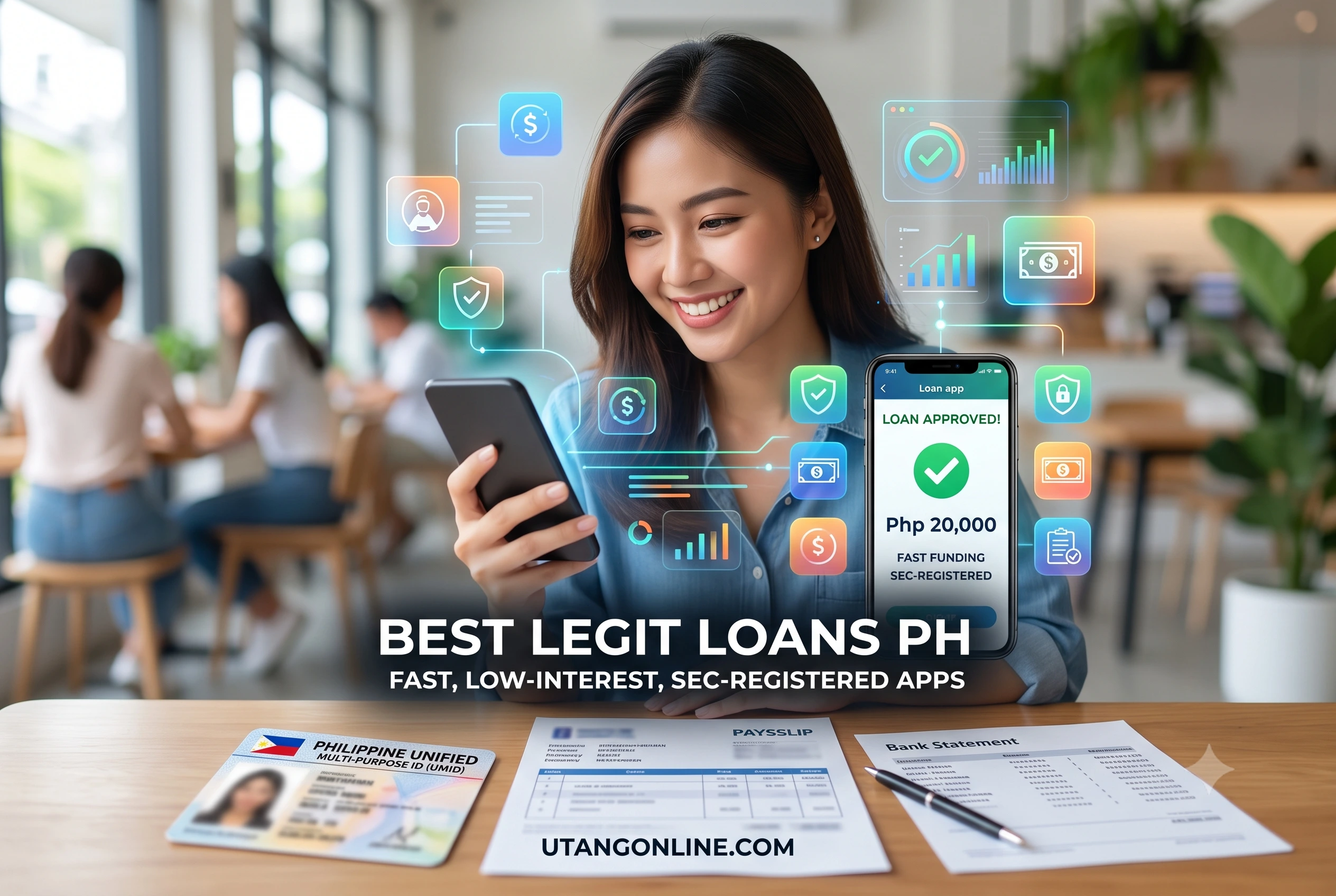
Staring at your phone while counting the days until your next paycheck – the dreaded petsa de peligro – is a uniquely stressful experience. When a medical emergency hits or a utility bill threatens disconnection, the pressure to find immediate cash can push you toward risky decisions. Let me put your mind at ease right now: no matter what aggressive debt collectors might text you, nobody goes to jail for simply failing to pay a civil debt in the Philippines. You have rights, and there are safe ways to bridge your financial gaps.
Summary: Identifying safe, SEC-registered online loans in the Philippines requires verifying a platform’s Certificate of Authority and ensuring they comply with BSP interest rate caps. Legitimate fintech apps protect your data, offer transparent Effective Interest Rates (EIR), and do not harass your contact list. By sticking to regulated platforms, borrowers can access fast digital cash without falling victim to predatory loan sharks.
Key Takeaways: Legit vs. Predatory Lenders
| Feature | Legit Online Lending Apps (OLAs) | Predatory Loan Sharks |
| SEC Registration | Has an active Certificate of Authority (CA). | Unregistered; uses fake or revoked company names. |
| Interest Rates | Capped by BSP (max 15% nominal per month). | Uncapped; often charges 20-50% in just 7 days. |
| Fees deducted upfront | Minimal and clearly stated in the disclosure. | Massive hidden fees deducted before disbursement. |
| Data Privacy | Protects data; only accesses what is strictly necessary. | Steals your contact list and threatens your family/friends. |
| Repayment Harassment | Professional collection agencies. | Death threats, public shaming on social media. |
How Do I Know if an Online Loan App is Legit and SEC-Registered?
A legit online loan app must possess a Certificate of Authority (CA) from the Securities and Exchange Commission (SEC) to operate legally. You should always check the SEC website’s active list of lending companies and confirm the app does not violate BSP interest caps.
Filing for a loan should never feel like a gamble. The Philippine fintech space is flooded with unregulated platforms masquerading as helpful financial tools. To protect yourself, you need to verify SEC registration manually. Do not just take the app’s word for it; many illegal operators copy the logos and registration numbers of legitimate corporations. Go directly to the official SEC website and cross-reference the app’s registered corporate name with the list of approved Lending Companies and Financing Companies.
What Are the Red Flags of Predatory Lending Apps?
Predatory apps often demand access to your phone contacts, impose hidden processing fees that deduct from your principal, and harass borrowers before the due date. If an app asks for your Facebook password or contact list, uninstall it immediately.
An illegal operator thrives on panic. They will often approve your application in seconds, but the nightmare begins at disbursement. You might apply for PHP 5,000, but only receive PHP 2,800 after arbitrary “system fees” are slashed from your total. Worse, they implement terms as short as five days. When day four arrives, you will start receiving threatening text messages. The moment an app requests permission to scrape your phonebook or photo gallery, that is your cue to walk away.
How Does the Data Privacy Act Protect Borrowers?
The Data Privacy Act of 2012 makes it strictly illegal for online lenders to access your contacts or publicly shame you for unpaid debts. Violators face severe penalties, and the National Privacy Commission actively shuts down platforms that weaponize borrower data.
Legitimate operators respect boundaries. They utilize eKYC (electronic Know Your Customer) protocols that might ask for location data or device metadata to build an alternative credit score, but they will never extort your family members.
Which Online Loan Apps Offer Fast GCash Cash Out and Low Interest?
Apps like Tala, Billease, and JuanHand are top-rated legit platforms that instantly disburse approved funds directly to e-wallets. These platforms comply with BSP regulations, ensuring transparent fees and fast access to cash within minutes of approval.
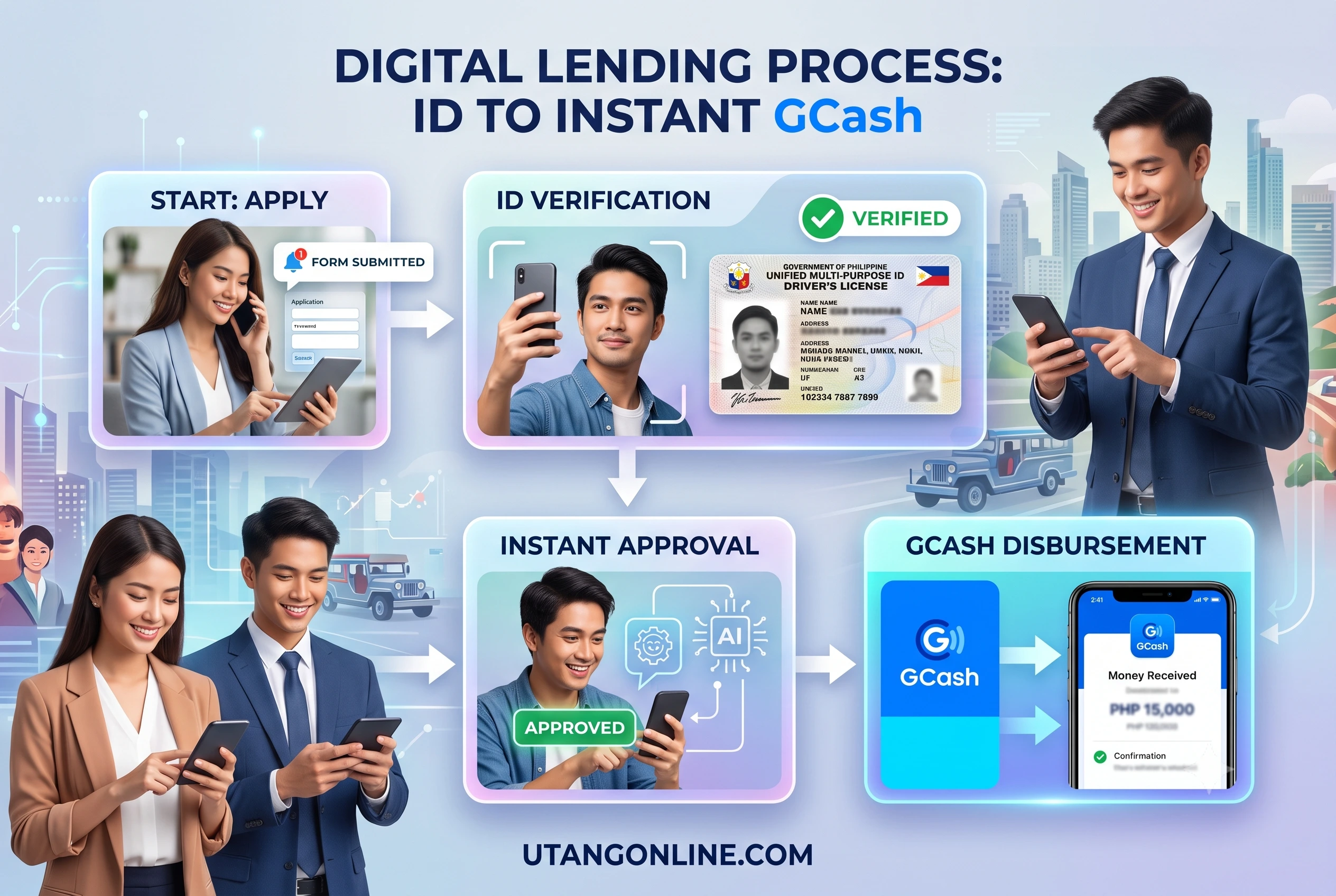
Speed is non-negotiable when you are facing a genuine emergency. Modern lending operations have integrated heavily with local e-wallets, allowing borrowers to bypass traditional bank clearing times. If you need funds before the banks close, choosing an app known for a fast GCash cash out or Maya disbursement is the smartest route. These platforms use automated underwriting. Once the algorithm approves your profile, the API triggers an instant fund transfer.
How Do I Claim Zero Interest Promos as a First-Time Borrower?
First-time borrowers can often secure 0% interest on their initial loan by signing up during promotional periods on platforms like JuanHand or Digido. Always read the terms, as these promos usually apply only to short repayment terms of 7 to 14 days.
The lending market is highly competitive, and customer acquisition costs are high. To attract good payers, many regulated apps will let you claim zero interest promos on your first transaction. This is an excellent tool for bridging a short-term gap, provided you pay exactly on the due date. If you miss the payment by even a single day, standard interest rates and late fees will immediately trigger and apply to the entire principal balance.
What is the Difference Between Nominal Interest and Effective Interest Rate (EIR)?
Nominal interest is the advertised monthly rate, while the Effective Interest Rate (EIR) includes all processing fees, service charges, and compounding costs. You must compare the EIR to understand the true cost of borrowing before signing a digital contract.
Marketing banners love to highlight low monthly rates, but the EIR tells the true story. Under BSP regulations, lenders are required to show you a standardized Disclosure Statement before you hit “Accept.” This document breaks down the exact amount you will repay. To make a smart financial decision, you must compare effective interest rates across different platforms. For example, a loan with a 3% nominal monthly rate might carry a 10% processing fee, drastically inflating your actual EIR.
Can I Apply for a Legit Online Loan With Bad Credit and One Valid ID?
Yes, many SEC-registered fintech apps allow you to apply using just one primary government ID, even if you lack traditional credit history. These platforms use alternative data, like smartphone usage and e-wallet transactions, to build a digital credit score.
Traditional banks require Income Tax Returns (ITRs), certificates of employment, and pristine credit records. Fintech apps operate on a different risk model entirely. If you have been rejected by a bank, you can still apply with bad credit through an online lending app. They focus on your digital footprint and your ability to repay small amounts consistently.
What Are the Best Apps to Borrow With One Valid ID?
Tala, MocaMoca, and Online Loans Pilipinas accept single primary IDs such as a UMID, Passport, or National ID for quick verification. Ensure your ID is clear and unexpired, as automated KYC systems will instantly reject blurry photos.
A major point of friction for borrowers is the ID upload process. To successfully borrow with one valid ID, you have to help the machine read your data. Avoid glare, ensure all four corners of the card are visible, and make sure the room is well-lit when taking your verification selfie. Older IDs with faded text often get flagged for manual review, delaying an otherwise instant process by up to 24 hours.
How Do Online Lending Apps Verify Income for Freelancers?
Instead of requiring traditional payslips, modern lending apps analyze your GCash or Maya transaction history and device data to estimate your cash flow. Consistent incoming transfers and timely bills payment heavily influence your loan approval limit.
The gig economy is massive in the Philippines, and lenders have adapted. If you drive for Grab, freelance on Upwork, or run a small online shop, your e-wallet activity serves as your financial resume. Lenders look for regular income patterns. Keeping your funds moving through verifiable digital channels increases your internal trust score with these apps, allowing your credit limit to grow over time.
What Happens If I Cannot Pay My Online Loan in the Philippines?
If you default on a legit online loan, your unpaid debt will accrue capped penalty fees and may be reported to the Credit Information Corporation (CIC). While this damages your future borrowing ability, you cannot be imprisoned for failing to pay a civil debt.
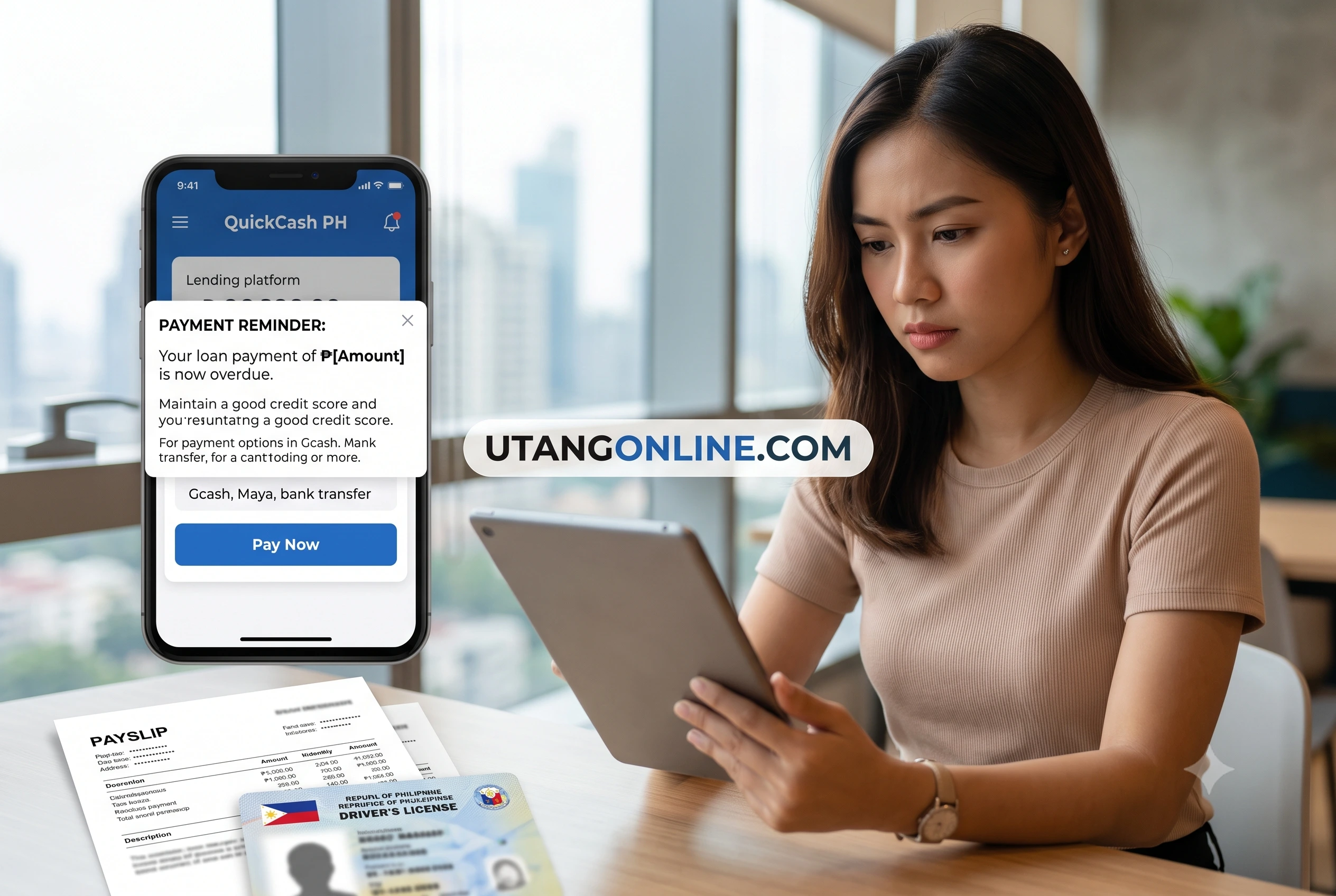
Life happens. Sometimes an expected remittance is delayed, or medical bills wipe out your budget. When you default on a legitimate platform, the process is highly regulated. First, your account incurs late fees. The BSP caps these fees at a maximum of 5% per month on the outstanding balance, and total penalties can never exceed 100% of the original principal. You will receive collection calls, but they must occur during reasonable hours and use professional language.
Can I Go to Jail for Unpaid Online Loans in the Philippines?
No, the Philippine Constitution guarantees that no person shall be imprisoned for non-payment of debt. However, intentionally using fake IDs to secure a loan constitutes estafa or fraud, which is a criminal offense punishable by law.
Debt collectors for illegal loan sharks love to threaten borrowers with arrest warrants and police intervention. These are empty threats designed to create panic. A civil debt cannot result in jail time. The only way law enforcement gets involved is if you committed deliberate fraud – such as submitting forged documents or stealing someone else’s identity to acquire the funds. If your inability to pay stems from genuine financial hardship, you are legally safe from imprisonment.
How Can I Report Loan Shark Harassment to the Authorities?
If an online lender threatens you or texts your contacts, you can file a formal complaint with the SEC, the National Privacy Commission (NPC), and the PNP Anti-Cybercrime Group. Document all abusive messages and calls as evidence of Data Privacy Act violations.
Do not suffer in silence if you are being harassed. Take screenshots of every threatening text message. Record phone calls if the collectors are using abusive language. You can submit these directly to the SEC’s Enforcement and Investor Protection Department. The NPC also has a dedicated portal for reporting unauthorized access to your phone’s contact list. Fighting back against predatory lenders helps regulators shut down these illegal operations permanently.
Managing a financial crisis requires a calm head and accurate information. By sticking exclusively to SEC-registered platforms, verifying interest caps, and understanding your rights as a consumer, you can safely navigate the digital lending space. Borrow only what you can strictly afford to repay, and treat these apps as emergency bridges rather than permanent financial solutions.
References
- Bangko Sentral ng PilipinasOrganization: BSPResource: Circular No. 1133 – Ceilings on Interest Rates and Other FeesURL: https://www.bsp.gov.ph/Regulations/Issuances/2021/c1133.pdf
- Securities and Exchange Commission PhilippinesOrganization: SECResource: List of Registered Online Lending CompaniesURL: https://www.sec.gov.ph/lending-companies-and-financing-companies-2/list-of-recorded-online-lending-platforms/
- National Privacy CommissionOrganization: NPCResource: Data Privacy Act of 2012 and Online Lending GuidelinesURL: https://www.privacy.gov.ph/data-privacy-act/
Last Updated on July 7, 2026 by Michael Reyes
