
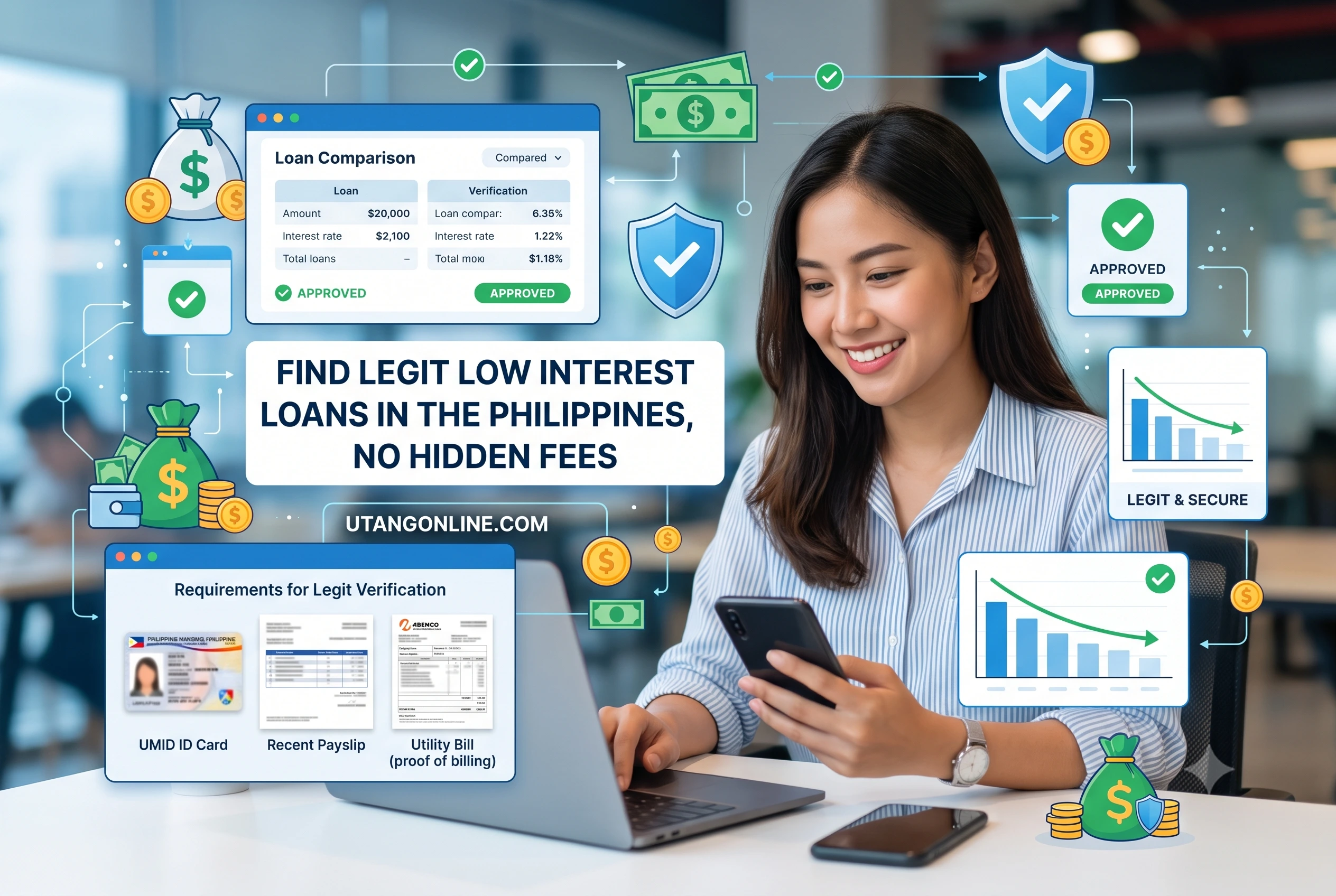
You are staring at your phone, an emergency medical bill or utility notice is past due, and a shiny app banner promises instant cash at “only 0.5% daily interest.” It feels like a lifeline. You accept the terms, wait for the SMS confirmation, and check your e-wallet. But when the funds finally reflect, a massive chunk of the money is missing.
If you have ever felt this sinking feeling in your stomach, you are absolutely not alone. Unpaid debts do not automatically lead to imprisonment in the Philippines, despite what aggressive collectors might claim via text, but the financial stress is entirely real. Having spent over a decade analyzing digital credit lines and auditing fintech platforms in the country, I can tell you that struggling to understand these loan mechanics is not your fault. Many apps intentionally design their interfaces to obscure actual costs. Let us break down exactly how these pricing models work so you can protect your wallet and make an informed choice.
Summary: True low interest online loans in the Philippines strictly follow BSP regulations, which mandate a maximum 15% nominal interest per month and a 5% cap on processing fees. To avoid debt traps, borrowers must calculate the Effective Interest Rate (EIR) to expose predatory upfront deductions where lenders illegally skim fees from the principal before disbursement.
Key Takeaways: Evaluating App Loan Costs
| Lending App Profile | Advertised Rate | True EIR (Monthly) | Upfront Deduction | BSP Compliant (2026) |
| Traditional Bank Digital Loan | 1.5% monthly | ~1.5% – 2.0% | 0% – 1% | Yes |
| Top-Tier Fintech App | 4.0% monthly | ~5.5% | Up to 5% | Yes |
| Predatory Payday App | 0.5% daily | 60%+ | 20% – 30% | No |
What Is the Real Cost Behind Advertised Low Interest Rates?
Advertised low interest rates often hide the true financial burden by entirely excluding processing fees and service charges. You must calculate the Effective Interest Rate (EIR), which factors in all mandatory deductions and compounding frequencies, to expose the actual cost of your loan.
When our analyst team evaluates digital credit products, the first thing we look past is the marketing banner. A platform might advertise a nominal rate that sounds incredibly affordable. However, the nominal rate is simply the base cost of borrowing the money, isolated from everything else. It does not account for the administrative fees, convenience fees, and risk-pricing overlays that digital lenders stack onto the final bill.
How Do Upfront Deductions Distort Your True Interest Rate?
Upfront deductions artificially inflate your interest rate because you pay fees on money you never actually received. If you borrow Php 5,000 but a lender deducts 20% upfront, you only receive Php 4,000, yet you are charged interest on the full Php 5,000.
This is one of the most predatory tactics in the digital lending space. Let us look at a realistic scenario. You accept a loan contract for Php 5,000. The app claims a modest interest rate. However, buried in the fine print is a massive “system processing fee” that gets taken out of the principal before the money is even transferred to your GCash or Maya account.
Because the lender computes your daily or monthly interest based on the Php 5,000 paper contract, your actual cost of borrowing skyrockets. You are paying interest on ghost money. By the time your repayment date arrives, the gap between what you received and what you owe can easily destabilize your monthly budget.
Why Does the Effective Interest Rate (EIR) Matter More Than the Nominal Rate?
The Effective Interest Rate (EIR) matters more because it measures the true total cost of borrowing by factoring in compounding frequency and all hidden fees. While the nominal rate is just the base interest, the EIR reveals the actual percentage of the principal you are paying out of pocket.
In financial auditing, the EIR is the only metric that tells the truth. A nominal rate of 10% might seem better than an EIR of 15%, but they are measuring different things. If an app applies daily compounding interest instead of monthly amortization, your debt grows much faster than a standard bank loan. Before you decide to apply for online loans philippines, mapping out the EIR ensures you are comparing apples to apples across different fintech platforms.
What Are the BSP Mandated Interest Rate Caps on Online Lending?
The Bangko Sentral ng Pilipinas (BSP) legally caps online lending costs at a 15% nominal interest per month, a 5% maximum processing fee, and a 30% daily late penalty limit. Apps charging beyond these exact ceilings are operating illegally.
The regulatory environment in 2026 is far stricter than it was during the early days of unregulated payday apps. The central bank recognized the severe emotional and financial distress caused by unchecked interest rates and stepped in to establish hard mathematical ceilings.
How Does BSP Circular No. 1133 Protect Filipino Borrowers?
BSP Circular No. 1133 protects borrowers by enforcing strict interest and fee ceilings on unsecured, short-term digital loans. It aims to prevent debt traps by penalizing predatory lending companies that exploit distressed consumers with unjustifiable processing fees.
When we look at the exact text and enforcement of this circular, it serves as a direct shield for the consumer. It specifically targets loans up to Php 10,000 with tenors of up to four months. By limiting the nominal interest rate to roughly 0.5% per day (capping at 15% a month), it ensures that the debt remains mathematically possible to pay off, even for minimum wage earners facing a sudden cash flow crisis.
What Happens If an App Charges More Than the 5% Processing Fee Limit?
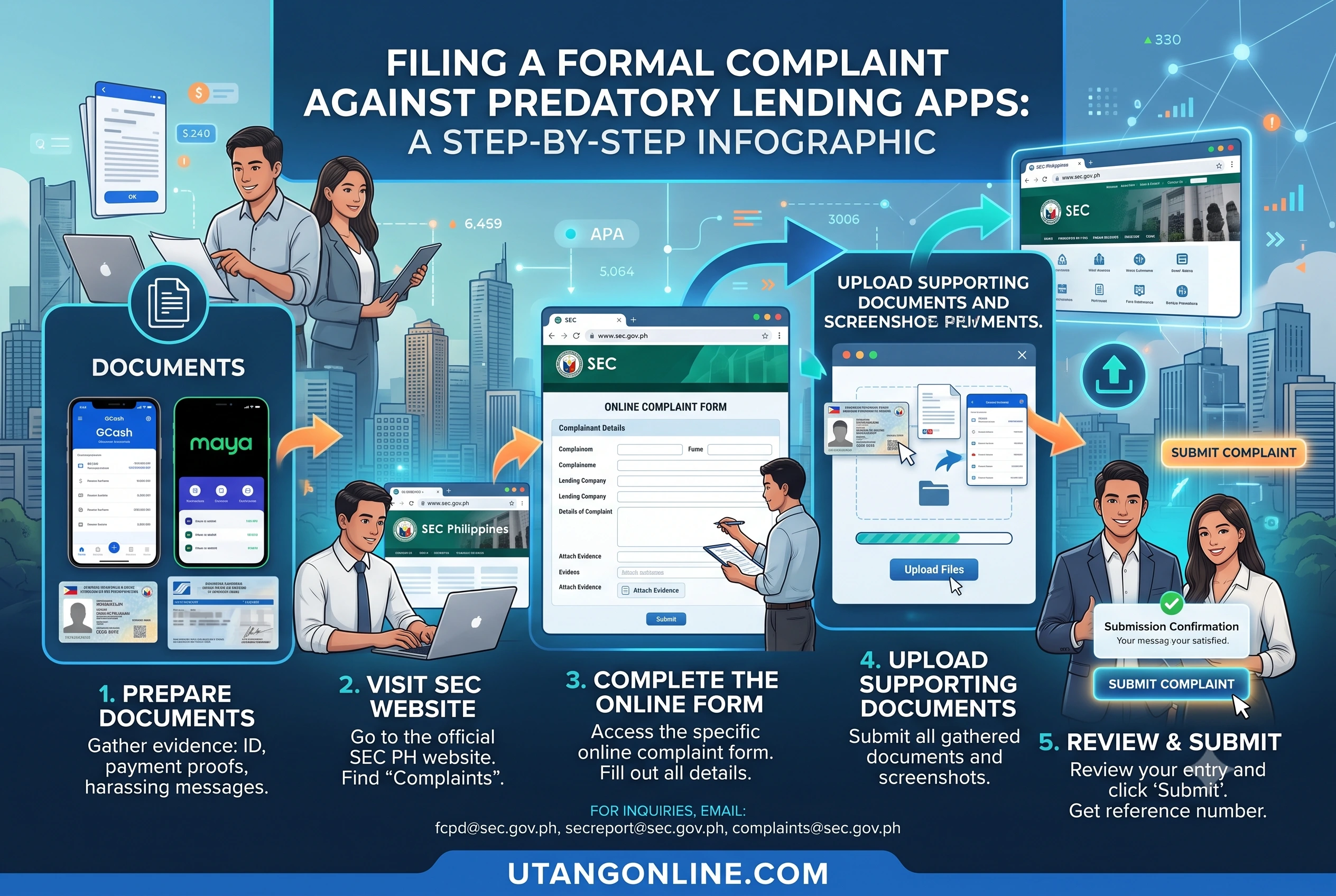
If an app charges more than the 5% processing fee limit, it violates BSP regulations and faces severe SEC sanctions. You have the right to report these lenders to the Securities and Exchange Commission (SEC) and file a formal complaint for predatory lending.
In my experience reviewing user complaints, apps that breach this 5% cap often try to disguise the excess amount by renaming the fees. They might call it a “fast-track disbursement fee” or an “account management charge.” Regardless of the label, if the total upfront deductions exceed 5% of your approved principal, the platform is breaking the law.
How Do Hidden Service Charges and Late Penalty Fees Trap Borrowers?
Hidden service charges bloat your starting debt, while daily compounding late penalties multiply your balance rapidly if you miss a deadline. These overlapping costs create a severe debt trap, pushing your total repayment well beyond legal caps.
Lenders design these fee structures to mitigate their own risk, especially when offering bad credit approval to borrowers with no formal banking history. Because they cannot rely on traditional credit scores, they price the risk directly into the penalty fees.
If you miss a payment by even one day, the system often triggers a flat late fee, plus a daily compounding interest penalty on the outstanding balance. The BSP capped late penalties at 30% per month precisely to stop balances from doubling within weeks. However, when an app combines a 5% processing fee, a 15% monthly interest rate, and a 30% late fee, you are still looking at paying back significantly more than you borrowed. This exact combination is what forces families to take out second loans just to cover the penalties of the first.
How Should You Evaluate an App Before You Apply?
Before applying, always verify the lender’s registration on the SEC database and carefully read the mandatory disclosure statement. You should manually calculate the true loan cost rather than blindly trusting the app’s promotional marketing banners.
Evaluating a digital credit line requires a bit of active investigation. Do not rush the process, no matter how urgent the financial need feels. Taking five extra minutes to read the fine print can save you months of severe anxiety.
What UI Red Flags Should You Look for During the Loan Application?
Key UI red flags include missing disclosure statements, payment sliders that obscure total costs, and fine print defaulting to daily compounding interest. Legitimate, compliant apps will always present a highly visible, transparent breakdown of all fees before asking for your signature.
During our team’s firsthand UI testing of various platforms, we noticed a stark difference between compliant lenders and predatory ones. A safe app will give you a summary page that clearly states:
- Total Loan Amount
- Processing Fee Deducted
- Net Proceeds (What you actually receive)
- Total Interest
- Total Amount to Repay
If you have to click through three hidden menus just to see your actual net proceeds, close the app immediately.
How Does E-KYC Friction Impact Your Funding Speed?
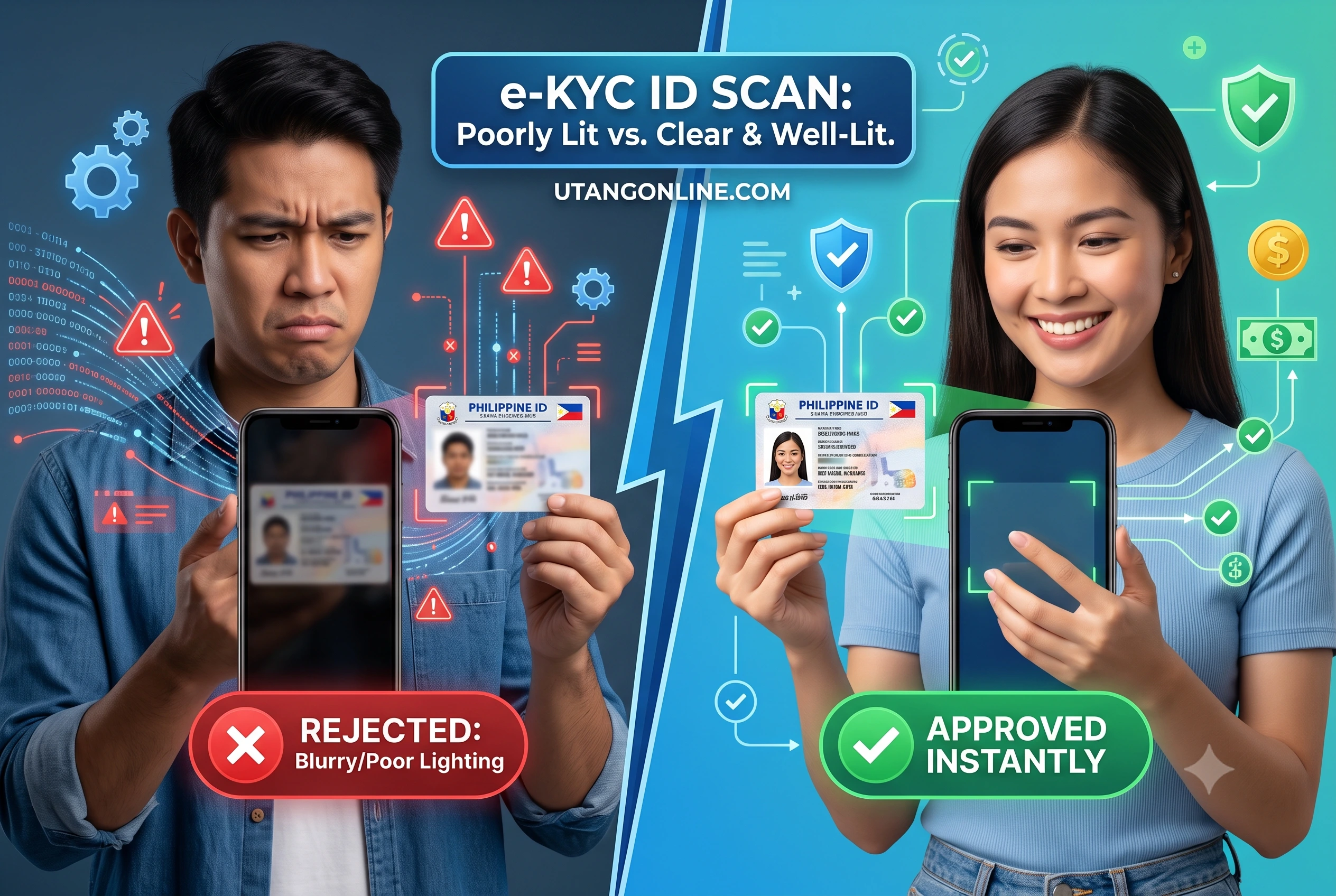
E-KYC friction, such as automated systems rejecting poorly lit selfies or faded ID cards, forces manual reviews that can delay your funding by 24 hours. Ensuring you have bright lighting and a glare-free ID scan accelerates the automated approval process.
From an operational standpoint, lenders use electronic Know Your Customer (e-KYC) APIs to verify your identity in seconds. When I tested applications using older, slightly faded UMID cards, the optical character recognition (OCR) failed to read the birthdate. This immediately kicked the application out of the automated lane and into a manual review queue handled by human staff. If you want true low interest and fast disbursement, make sure your documents are pristine and your internet connection is stable during the face-scanning step.
Can You Get Bad Credit Approval Without Paying Predatory Interest Rates?
Yes, you can secure bad credit approval without predatory rates by using SEC-registered platforms that analyze alternative data like utility payments and e-wallet usage. These modern fintech lenders price risk fairly and remain strictly within BSP interest caps.
Traditional banks reject applicants based on rigid credit bureau scores. Fintech lenders operate differently. They look at your digital footprint. Do you pay your phone bill on time? Do you cash in regularly to your e-wallet? Are you earning steady income through gig-economy platforms?
By analyzing this alternative data, responsible lenders can accurately assess your ability to repay without needing to charge you an illegal 30% upfront fee. They understand that a lack of credit history does not automatically mean high default risk. Stick to well-known, heavily regulated digital banks and established e-wallet credit lines to ensure you get a fair rate, even if your financial history is less than perfect.
Frequently Asked Questions About Philippine Online Lending Costs
Philippine online lending costs vary based on processing fees, compounding schedules, and strict regulatory compliance. Always review the mandatory disclosure statement and compute your Effective Interest Rate to understand your actual financial obligations.
What is the lowest interest rate for online loans in the Philippines?
The lowest legitimate interest rate for online loans in the Philippines ranges from 1% to 3% monthly, usually offered by traditional bank-backed digital platforms. In contrast, short-term unsecured payday apps generally charge the legal maximum of 15% monthly.
Why was my loan amount deducted before disbursement?
Your loan amount was deducted before disbursement because the lender subtracted upfront processing fees and service charges directly from your principal. The BSP heavily monitors this practice, legally capping such upfront deductions at a strict maximum of 5%.
What is the BSP interest rate cap on online lending?
The BSP interest rate cap on unsecured online lending is a strict maximum of 15% nominal interest per month. Furthermore, lenders are legally prohibited from charging late payment penalties exceeding 30% per month on the outstanding balance.
References
- Bangko Sentral ng PilipinasOrganization: Bangko Sentral ng Pilipinas (BSP)Resource: Circular No. 1133 – Ceilings on Interest Rates and Other Fees Charged by Lending Companies, Financing Companies, and Their Online Lending PlatformsURL: https://www.bsp.gov.ph/Regulations/Issuances/2022/c1133.pdf
- Securities and Exchange Commission PhilippinesOrganization: Securities and Exchange Commission (SEC)Resource: List of Registered Online Lending PlatformsURL: https://www.sec.gov.ph/lending-companies-and-financing-companies-2/list-of-recorded-online-lending-platforms/
- Department of Trade and IndustryOrganization: Department of Trade and Industry (DTI)Resource: Consumer Protection and Fair Trade EnforcementURL: https://www.dti.gov.ph/konsyumer/
Last Updated on July 7, 2026 by Michael Reyes
