
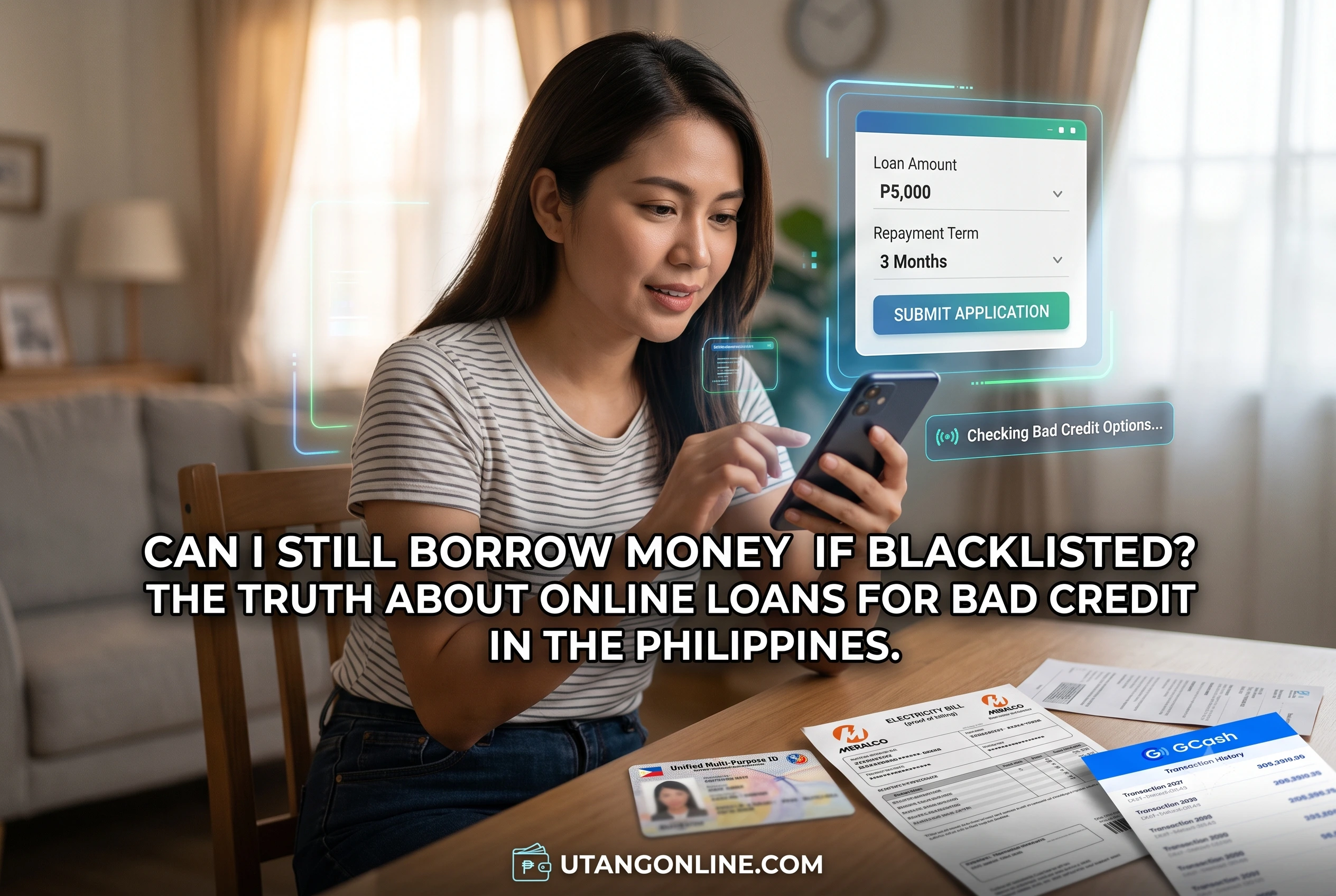
Let us set a familiar scene. You are a BPO worker who took out a credit card three years ago. Medical emergencies piled up, you missed several payments, and eventually, the collection calls became so overwhelming that you just threw away the SIM card. Now, an emergency has hit. You need cash fast, but a heavy, sinking feeling sits in your chest because you are absolutely certain you are permanently “blacklisted” from the entire financial system.
First, let us get a massive weight off your shoulders: under Article III, Section 20 of the Philippine Constitution, no person shall be imprisoned for non-payment of a civil debt. You are safe. Second, the idea of a universal “blacklist” is a persistent myth. While traditional banks might reject your application due to past defaults, the modern lending ecosystem operates on entirely different rules.
Because over 50% of adult Filipinos remain unbanked or lack a formal credit score, a new wave of financial technology companies has emerged. They do not care about your past bank mistakes. They care about your current digital behavior. If you are terrified of another rejection screen, this breakdown will explain exactly how modern apps bypass traditional banking records to give you a second chance.
Summary:
Fintech apps offer viable options for borrowers with bad traditional credit by utilizing alternative data instead of bank records. Rather than checking conventional credit bureaus, these platforms analyze smartphone behavior, telco top-up history, and e-wallet usage to measure repayment capacity. While approval rates are high, borrowers should expect strict digital identity verification and low initial loan amounts designed to rebuild trust gradually over time.
Traditional Banks vs. Alternative Fintech Lenders
| Feature | Traditional Banks | Fintech Lending Apps |
| Primary Credit Check | Credit Information Corporation (CIC), TransUnion | Alternative Credit Scoring (Smartphone Data) |
| Approval Speed | 3 to 7 banking days | 5 minutes to 24 hours |
| Initial Loan Amount | Php 20,000+ | Php 1,000 to Php 3,000 (Micro-laddering) |
| Past Defaults (Banks) | Instant rejection | Often ignored if current data shows stability |
| Required Documents | Proof of Income, ITR, COE, Utility Bills | 1 Valid ID, Active Mobile Number, Liveness Selfie |
Am I Permanently Banned from Borrowing if I Have Bad Credit?
No, a bad credit history does not permanently ban you from borrowing. The concept of a “blacklist” is a myth; you simply have a negative record with the Credit Information Corporation (CIC), which traditional banks rely on, but many alternative lenders ignore entirely.
When people say they are “blacklisted,” they are usually referring to a heavily downgraded credit score tracked by entities like the CIC or TransUnion Philippines. Banks share data. If you abandoned a personal loan at BPI or maxed out an EastWest credit card without paying, that data sits in a centralized repository. When you apply for a new traditional loan, the bank pulls this file, sees the default, and auto-rejects the application.
However, the Philippine lending market is deeply fragmented. The majority of digital-only lenders target the unbanked and unscored population. They understand that a massive chunk of the working class has past financial friction. Instead of focusing on a mistake made three years ago, these platforms look at your immediate capacity to repay a small amount today. You are not banned; you just need to knock on a different, more modern door.
How Do Lending Apps Approve Borrowers Without Checking CIC Records?
Lending apps approve borrowers by analyzing alternative data points—such as smartphone behavior, device metadata, and e-wallet transaction consistency—to build a proprietary risk profile instead of pulling traditional CIC bank records.
When you download a lending application, you are not just submitting an application form; you are giving the app permission to evaluate your digital footprint. This is the exact mechanism that allows individuals with terrible bank credit to secure fast approvals.
What is Alternative Credit Scoring and How Does it Work?
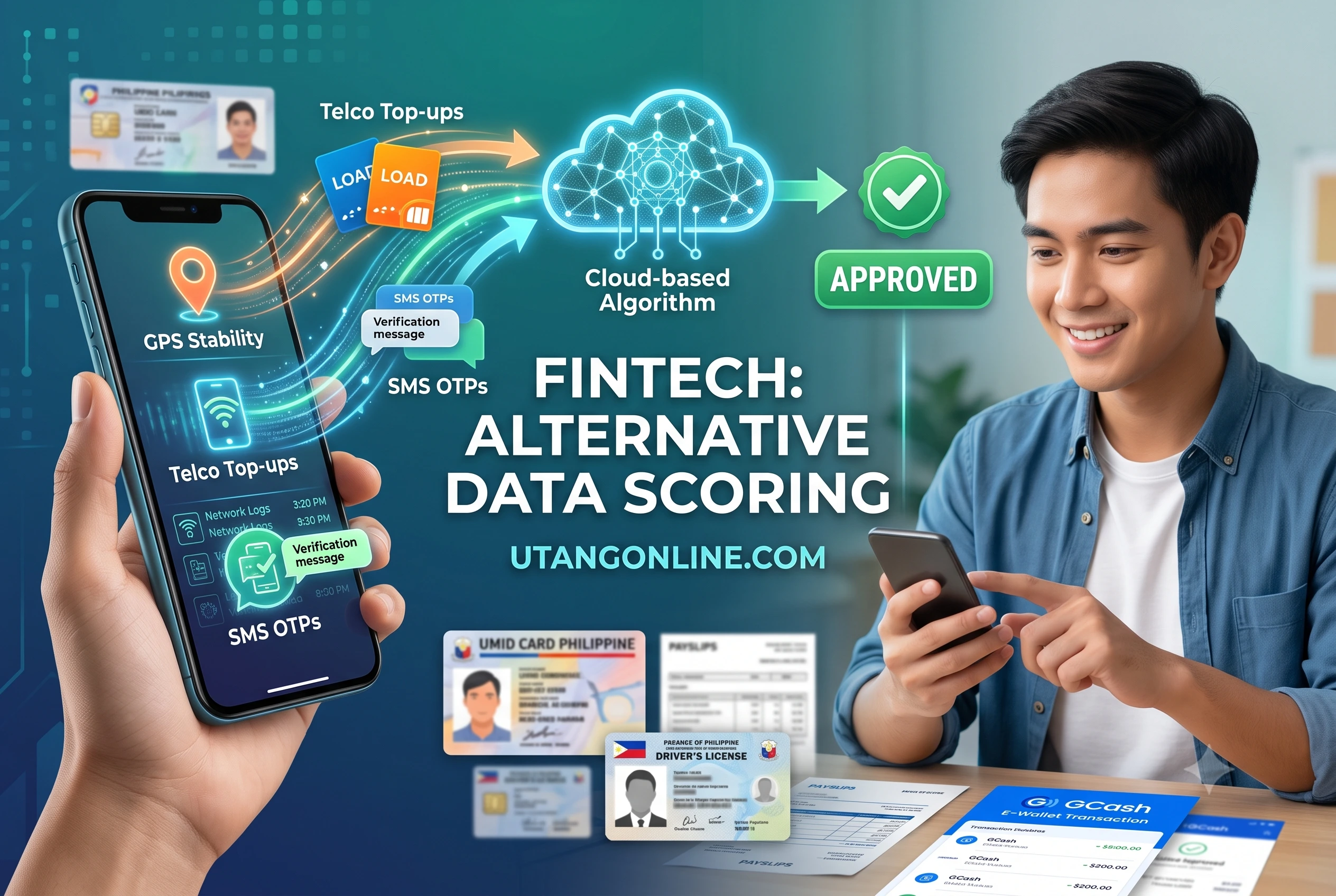
Alternative credit scoring evaluates your daily digital habits, including mobile data consumption, e-wallet activity, and telco load frequency, to mathematically predict your current financial stability and willingness to repay a loan.
Traditional banks look backward at your financial history. Alternative credit scoring looks at your present behavior. When our team tested several top-tier lending apps last year, we closely monitored the data packets the apps requested upon installation. They do not have access to your BDO or Metrobank accounts. Instead, they partner with telecommunications companies and data aggregators to see if you are an active, stable digital citizen.
For example, if you consistently top up your prepaid SIM card with Php 99 every week for the past year, the algorithm flags you as a user with a predictable, steady cash flow. That consistency translates to a higher internal credit score, completely bypassing the need for a bank reference.
What Phone Metadata Do Fintech Apps Analyze for Approval?
Apps analyze device fingerprinting, GPS stability, the ratio of financial apps to gambling apps installed on your device, and SMS OTP histories to build a behavioral model that accurately predicts your repayment reliability.
When you grant permissions during the installation of philippine online loans, the app performs a silent background check known as device fingerprinting. It checks the MAC address of your phone to ensure it is not a burner device used by fraudsters.
The algorithm also looks at geographic stability. If your phone’s GPS shows you commute between a residential area in Caloocan and a commercial district in Makati five days a week, the system infers you have a stable job, even without a Certificate of Employment. Some advanced platforms even analyze battery charging habits; data suggests that users who charge their phones before they hit 10% are generally more responsible and mathematically less likely to default on micro-loans.
What Are the Real Friction Points When Applying for High Approval Loans?
Despite high approval rates, borrowers frequently encounter strict electronic Know Your Customer (eKYC) failures, delayed disbursements due to manual ID verification, and extremely low starting credit limits.
Marketing campaigns often promise “cash in 5 minutes,” but the operational reality involves a strict verification process. Lenders are taking a massive risk by ignoring traditional credit files, so they enforce intense identity checks to prevent fraud and identity theft.
How Does Micro-Loan Laddering Rebuild Trust?
Fintechs manage the risk of bad credit by using micro-loan laddering, approving borrowers for only Php 1,000 to Php 2,000 initially, and unlocking higher limits only after the first loan is repaid on time.
If you need Php 15,000 to fix a leaking roof, a fintech app will not give you that amount on your first try if you have no track record with them. In our experience testing these platforms, even users with strong alternative data profiles are usually capped at a Php 2,000 initial offer.
This is a behavioral test. The lender is saying, “We will give you a small amount. If you pay this back in 14 days, we will trust you with Php 4,000 next time.” This laddering system allows borrowers to slowly rebuild a positive financial reputation. The friction here is expectation management: do not expect a massive payout on your first application.
What Happens During Manual Review of Faded or Damaged IDs?
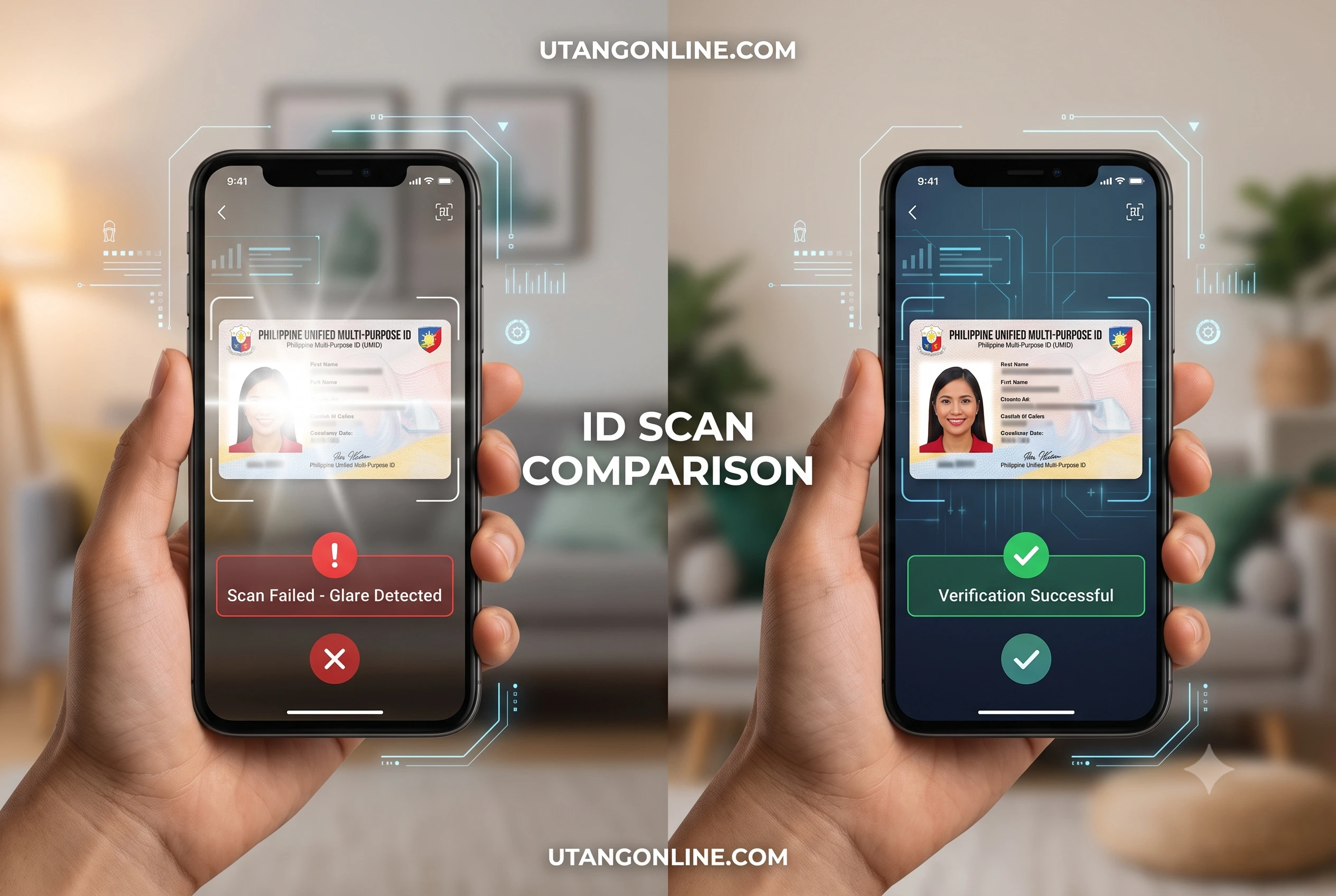
If automated eKYC scanners reject your ID due to faded text or holographic glare, your application is pushed to a manual review queue, which usually delays your loan disbursement by 24 to 48 hours.
The most common point of failure we observe occurs during the selfie liveness check and ID scanning phase. Most apps use Optical Character Recognition (OCR) to read your National ID (PhilSys), UMID, or Driver’s License.
When our testing team intentionally used a slightly scratched UMID card under a bright ring light, the glare obscured the birthdate. The automated system instantly failed the verification. Instead of a 5-minute approval, the app notified us that a human agent needed to verify the document. Because manual review teams operate during standard business hours, an application submitted on a Friday night with a blurry ID might not get approved until Monday afternoon. Ensure your lighting is even and your ID is perfectly inside the scanning frame to avoid this bottleneck.
How Can I Spot Scams Promising “Guaranteed Approval” for Bad Credit?
You can spot a scam if a lender promises 100% guaranteed approval regardless of credit history but demands an upfront processing fee, deposit, or insurance payment before releasing your loan funds.
Desperation is a scammer’s best friend. When you are terrified of rejection, an advertisement promising “No ID, No Credit Check, 100% Guaranteed Approval” feels like a lifeline. It is almost always a trap.
Legitimate digital lenders operate under the strict supervision of the Securities and Exchange Commission (SEC) and the Bangko Sentral ng Pilipinas (BSP). They deduct processing fees directly from the disbursed loan amount. They will never ask you to GCash them Php 500 to “unlock” your Php 10,000 loan. Always cross-reference the app name with the official registry of sec certified lenders before uploading your sensitive IDs. If the company operates solely through Facebook Messenger and uses personal GCash numbers for transactions, stop communicating immediately.
Frequently Asked Questions About Borrowing with Bad Credit
Can I get a loan if I am blacklisted in banks?
Yes. Most digital lending platforms do not rely on traditional bank records, meaning your previous defaulted credit cards or unpaid bank loans will not automatically trigger a rejection on their alternative systems.
Because they operate on different risk models, your past bank failures remain invisible to them. As long as your current digital footprint demonstrates stability, you are highly likely to secure a micro-loan.
Do online lending apps check CIC records?
While major commercial banks strictly query the Credit Information Corporation (CIC), the vast majority of micro-lending apps rely entirely on their own proprietary algorithms and skip formal CIC background checks.
This separation of data is what makes fintech platforms accessible. However, be aware that if you default on an SEC-registered lending app, they may report that specific default to the CIC, which can harm your future chances of getting a traditional bank loan.
How do lending apps know my credit score if I don’t have a bank account?
Apps calculate a proprietary alternative score by requesting device permissions to analyze your smartphone metadata, such as geographic location stability, app usage patterns, and SMS OTP verification histories.
They do not need a bank account to know if you are financially active. The simple act of receiving a payroll via an e-wallet, paying a utility bill online, or maintaining a steady prepaid load balance provides enough data for their algorithms to generate a trustworthy profile.
How Can I Borrow Safely While Rebuilding My Financial Reputation?
Taking out a high-interest micro-loan should be a calculated, temporary measure, not a permanent lifestyle. While it is a massive relief to know that your past credit card defaults will not lock you out of emergency funding, you must treat alternative lenders with immense respect.
The interest rates on these platforms reflect the high risk they take by not checking traditional credit files. Borrow exactly what you need, mark the exact due date on your calendar, and ensure funds are in your e-wallet a day before the auto-debit triggers. By successfully navigating the micro-loan ladder, you are not just surviving a financial emergency; you are actively writing a new, positive chapter in your financial history.
References
- Bangko Sentral ng PilipinasOrganization: Bangko Sentral ng Pilipinas (BSP)Resource: Financial Inclusion Dashboard and Alternative Data InitiativesURL: https://www.bsp.gov.ph/SitePages/InclusiveFinance/InclusiveFinance.aspx
- Securities and Exchange Commission PhilippinesOrganization: Securities and Exchange Commission (SEC)Resource: List of Registered Online Lending PlatformsURL: https://www.sec.gov.ph/lending-companies-and-financing-companies-2/list-of-registered-online-lending-platforms/
- Credit Information CorporationOrganization: Credit Information Corporation (CIC)Resource: Understanding Your Credit Report and the Myth of BlacklistingURL: https://www.creditinfo.gov.ph/myth-blacklisting
Last Updated on July 7, 2026 by Michael Reyes
