
Online lending apps in the Philippines regularly appear and disappear from app stores. Some are removed after complaints, others are flagged by regulators, while certain platforms stop operating after receiving enforcement notices from the Securities and Exchange Commission. For borrowers, these removals often create confusion: Is the lender illegal? Can they still collect debt? Is personal data still at risk?
The answer depends on why the app was removed. Some platforms are taken down because they operate without proper authority. Others violate fair collection rules, misuse borrower data, or continue lending despite regulatory restrictions. Philippine regulators have increased enforcement against abusive and non-compliant digital lenders, especially those targeting vulnerable borrowers through aggressive mobile-first lending systems.
Summary:
The phrase “loan apps removed by SEC Philippines” usually refers to lending apps that were flagged, suspended, or investigated due to compliance problems such as operating without lending authority, abusive collection practices, unauthorized data access, or failure to follow Philippine lending regulations. Some apps disappear after Google Play takedowns, while others receive cease-and-desist orders or public advisories from the SEC. Existing borrowers may still owe legitimate debts, but collection behavior must remain lawful. Borrowers should verify lender legitimacy, monitor SEC advisories, avoid sharing excessive permissions, and prioritize compliant digital lenders with transparent registration and responsible collection practices.
Why Loan Apps Get Removed or Flagged in the Philippines 📱
The removal of a lending app does not always mean the company instantly disappears. In many cases, enforcement actions happen gradually through investigations, complaints, app store coordination, and regulatory notices.
Regulatory Enforcement Has Intensified
Over the past several years, Philippine regulators increased scrutiny on online lending platforms after rising complaints involving:
- Public shaming of borrowers
- Unauthorized contact of phonebook entries
- Hidden fees
- Fake repayment threats
- Excessive interest disclosures
- Identity misuse
- Harassment through SMS blasting
- Lending without proper authority
The SEC has repeatedly issued advisories against unregistered lenders and online lending operators that fail to comply with disclosure and data privacy expectations.
This enforcement trend accelerated after many borrowers reported being contacted through relatives, co-workers, and social media connections despite missed payments involving relatively small loan amounts.
Common Reasons Apps Are Removed
Loan apps may be removed from app stores or flagged by regulators for several reasons:
| Enforcement Trigger | What It Usually Means |
|---|---|
| No Certificate of Authority | Company may be registered as a corporation but lacks lending authorization |
| Unregistered lending activity | Platform lends money without proper approval |
| Privacy violations | Unauthorized access to contacts, photos, or device data |
| Harassment complaints | Threats, shaming, or abusive collection tactics |
| Misleading advertisements | False claims about approvals or interest rates |
| Failure to comply with SEC orders | Continued operations despite warnings |
| Fake identities or shell entities | App hides true operators |
Many borrowers confuse SEC registration with permission to lend. A corporation can exist legally while still lacking authority to operate as a financing or lending company. This is why users should always verify lender registration before applying.
How SEC Advisories and Google Play Takedowns Work
A large portion of Philippine digital lending enforcement now involves cooperation between regulators and technology platforms.
SEC Advisories Are Public Warning Signals
The SEC regularly publishes advisories identifying lending operators suspected of violations or unauthorized operations. These advisories often mention:
- Company names
- Lending brands
- Mobile applications
- Websites
- Social media lending pages
An advisory is not always a criminal conviction. However, it signals elevated regulatory concern and increased borrower risk.
Borrowers searching for SEC registered loan apps Philippines should pay close attention to whether a lender appears in regulatory warnings or complaint discussions.
Google Play Takedowns Often Follow Complaints
Google Play removals frequently happen after:
- Mass borrower complaints
- Policy violations
- Regulatory coordination
- Data privacy investigations
- Security reviews
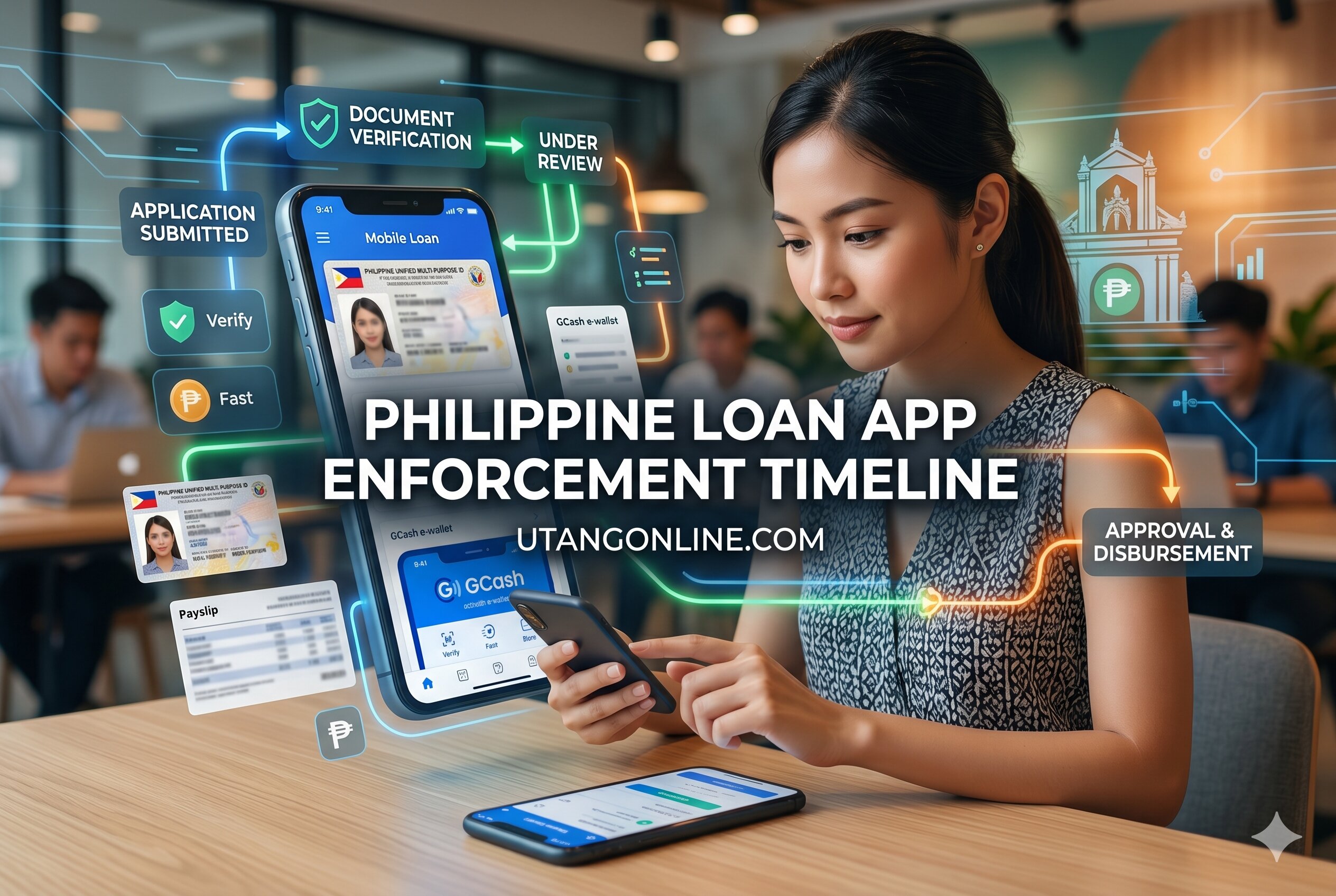
Philippine Loan App Enforcement Timeline
(Timeline showing SEC advisories, Google Play removals, and loan app enforcement actions in the Philippines)
Importantly, an app disappearing from Google Play does not automatically erase borrower obligations or delete user data already collected by the operator.
Some lenders continue collections through:
- SMS
- Facebook Messenger
- Third-party collection agencies
- Alternate APK downloads
- Website portals
This is why borrowers should remain cautious even after a takedown announcement.
What Happens to Borrowers After a Loan App Disappears?
One of the most searched concerns involves borrowers losing access to the application after receiving a loan.
Borrowers May Lose App Access
Common borrower experiences include:
- Login failure
- App removed from Play Store
- Repayment portal unavailable
- Customer service unreachable
- Loan balance inaccessible
This creates uncertainty about repayment records and outstanding obligations.
Existing Debt May Still Exist
If the original loan agreement was legitimate, the debt itself may still be enforceable even if the app disappears.
However, enforcement must still comply with Philippine law. Collectors cannot legally:
- Threaten imprisonment for ordinary unpaid debt
- Publicly shame borrowers
- Access contacts without authorization
- Spread personal information
- Pretend to be law enforcement
Borrowers dealing with these behaviors should document communications and consider ways to report loan app violations to proper authorities.
Data Privacy Risks Continue
Many problematic lending apps previously requested excessive permissions during onboarding, including:
- Full contact lists
- Gallery access
- SMS monitoring
- Call logs
- Device identifiers
Even after removal, collected data may remain stored externally.
This explains why borrowers sometimes continue receiving collection messages long after the app itself disappears.
Are Removed or Flagged Loan Apps Illegal?
Not always. The answer depends on the exact enforcement issue.
Some Apps Are Fully Unauthorized
Certain apps operate without proper authority from the beginning. These are commonly associated with:
- Fake corporate identities
- No lending license
- Hidden ownership structures
- Foreign-operated shell entities
These platforms pose the highest risk to borrowers.
Others Violate Operational Rules
Some lenders initially operate legally but later face sanctions due to:
- Collection abuse
- Compliance failures
- Incomplete disclosures
- Advertising violations
- Improper data handling
This distinction matters because not every flagged app represents outright fraud.
Still, regulatory action should always be treated as a serious borrower warning sign.
Borrowers researching fake loan app warning signs should pay attention to sudden app disappearances, missing company disclosures, aggressive repayment threats, and suspicious permission requests.
Signs a Loan App May Be at Risk of Regulatory Action 🚩
Borrowers often notice warning patterns before formal enforcement occurs.
Lack of Transparent Corporate Information
Legitimate lenders usually disclose:
- Corporate name
- SEC registration details
- Certificate numbers
- Office address
- Customer support channels
- Privacy policies
- Lending terms
Apps hiding these details create elevated compliance risk.
Aggressive Permission Requests
One of the strongest warning signs involves excessive mobile permissions during installation.
High-risk apps may request:
- Contact syncing
- Camera access unrelated to KYC
- Continuous location tracking
- Full media storage access
Modern compliant fintech lenders generally limit permissions to operationally necessary functions tied to identity verification, fraud prevention, and repayment authentication.
Unrealistic Approval Marketing
Risky apps often advertise:
- Guaranteed approvals
- Zero verification
- Instant loans regardless of employment
- No identity checks
In reality, legitimate lenders operating within Philippine compliance expectations still perform some level of:
- KYC verification
- Identity matching
- Device risk analysis
- Fraud screening
- Income assessment
This applies whether the borrower is employed, freelance, self-employed, or part of the gig economy.
Warning Signs of Non-Compliant Loan Apps
(Common warning signs that a Philippine loan app may face SEC enforcement or takedown)
How Legitimate Digital Lenders Usually Operate
Borrowers often ask how compliant lending apps differ operationally from risky ones.
Responsible KYC and Verification Practices
Legitimate lenders normally verify:
- Government-issued IDs
- Selfie matching
- Mobile ownership
- E-wallet consistency
- Banking behavior
- Employment or income indicators
These systems help reduce fraud, identity misuse, and account takeovers.
Compliant lenders typically avoid invasive practices unrelated to credit assessment.
Risk Assessment Is More Structured
Responsible lenders usually evaluate:
| Borrower Type | Common Evaluation Signals |
|---|---|
| Employed applicants | Payroll stability, tenure, salary frequency |
| Freelancers | Platform income consistency, bank inflows |
| Self-employed borrowers | Business cash flow patterns |
| Gig workers | Transaction frequency, wallet history |
Modern digital underwriting increasingly combines:
- Device intelligence
- Identity verification
- Repayment behavior
- E-wallet activity
- Anti-fraud screening
Apps promising “automatic approval for everyone” often bypass responsible risk controls.
What Borrowers Should Do If Their Loan App Gets Removed
The safest response depends on whether you already borrowed funds.
Keep Records Immediately
Borrowers should preserve:
- Screenshots
- Loan agreements
- Repayment confirmations
- SMS conversations
- E-wallet transfers
- Collection messages
These records become important if disputes emerge later.
Avoid Panic Payments to Unknown Accounts
Some borrowers receive new repayment instructions after app removal.
Before sending money:
- Verify account ownership
- Confirm official lender identity
- Check SEC advisories
- Validate repayment channels
Fraudsters sometimes exploit takedown confusion by impersonating lenders or collectors.
Monitor Collection Conduct
Even if repayment obligations remain, collectors must still follow lawful collection standards.
Potential violations include:
- Threats of criminal arrest
- Public humiliation
- Fake legal notices
- Repeated midnight calls
- Contacting unrelated individuals
Borrowers encountering these behaviors should document evidence carefully.
Why Complaint-Driven Enforcement Is Increasing
Regulators increasingly rely on complaint patterns to identify problematic operators.
Borrower Reports Trigger Investigations
Enforcement actions often begin after:
- Data privacy complaints
- Collection harassment reports
- Fake account allegations
- Hidden fee disputes
- Unauthorized contact access
Large complaint volumes may eventually contribute to:
- App removals
- Investigations
- Public advisories
- Suspension requests
Social Media Amplifies Enforcement Visibility
Many lending complaints now spread rapidly through:
- Facebook groups
- TikTok borrower communities
- Reddit discussions
- Consumer complaint forums
This creates faster public awareness around abusive operators.
It also explains why certain apps disappear suddenly after viral complaint waves.
Can Removed Loan Apps Still Collect Debt?
Yes, but only through lawful methods.
Legitimate Debts Do Not Automatically Disappear
A takedown does not automatically erase repayment obligations.
However, collections must remain:
- Transparent
- Documented
- Non-abusive
- Legally compliant
Borrowers still have rights even when delinquent.
Collection Agencies Must Also Follow Rules
Some removed apps outsource recovery efforts to third-party collectors.
Borrowers should verify:
- Agency identity
- Authorization documents
- Loan ownership proof
- Accurate balance details
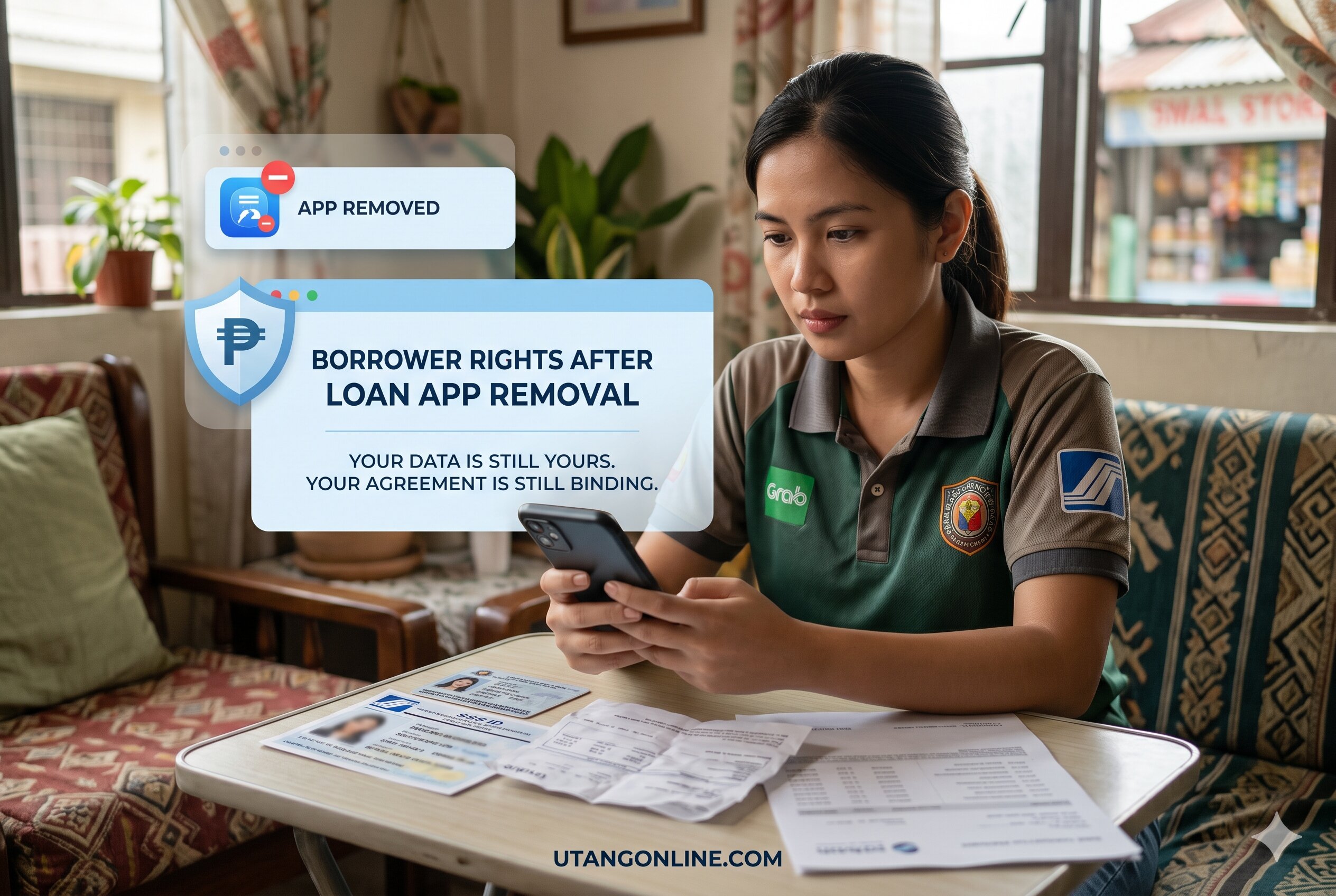
Borrower Rights After Loan App Removal
(Borrower rights and legal protections after a Philippine loan app is removed or flagged)
Collectors using intimidation, humiliation, or fabricated legal threats create additional compliance risk for themselves and the original lender.
FAQs About Loan Apps Removed by SEC Philippines
Why was a loan app removed?
Most removals happen due to regulatory concerns, complaint patterns, unauthorized lending activity, data privacy issues, or app store policy violations.
Can removed apps still collect debt?
Yes, legitimate debts may still be collected, but collection practices must remain lawful and non-abusive.
Are banned loan apps illegal?
Some are fully unauthorized, while others were flagged for operational violations rather than total illegality. Borrowers should review SEC advisories carefully.
What if I cannot access the app anymore?
Keep repayment records, screenshots, and transaction proofs. Avoid sending payments to unverified accounts without confirming legitimacy.
Does SEC registration automatically mean the lender is safe?
No. Borrowers should confirm whether the lender holds proper authority to operate as a financing or lending company, not merely corporate registration.
Why do some apps disappear from Google Play but continue operating?
Certain lenders continue collections through websites, APK downloads, or external communication channels even after app store removal.
Borrower Safety Signals Before Using Any Lending App
Before submitting personal information to a digital lender, borrowers should evaluate several trust indicators.
Positive Safety Signals
Safer lenders usually provide:
- Clear company identity
- Transparent fees
- Visible customer support
- Realistic approval processes
- Responsible collection disclosures
- Proper registration details
- Limited permission requests
High-Risk Signals
Borrowers should be cautious if an app:
- Promises guaranteed approval
- Demands unnecessary permissions
- Hides corporate ownership
- Uses intimidation marketing
- Pushes urgent borrowing pressure
- Avoids disclosure documents
The safest approach is always to compare multiple lenders and prioritize compliance transparency over speed alone.
How Regulatory Enforcement Is Reshaping Philippine Digital Lending
The Philippine fintech ecosystem continues evolving rapidly.
Regulators are increasingly focused on:
- Consumer protection
- Ethical collections
- Data privacy
- Transparent disclosures
- Responsible digital onboarding
- Fraud prevention
- Cross-platform enforcement
This has pushed more lenders toward:
- Improved KYC systems
- Better underwriting transparency
- Safer borrower communication
- Reduced invasive permissions
- More structured compliance operations
As enforcement becomes more visible, borrowers are becoming more aware of the importance of lender legitimacy before sharing IDs, selfies, contacts, and banking information.
Conclusion
The rise of loan apps removed by SEC Philippines reflects a broader shift toward stricter enforcement within the Philippine digital lending industry. App removals, advisories, and takedowns are often tied to unauthorized lending activity, abusive collections, privacy concerns, or non-compliance with regulatory expectations.
For borrowers, the key lesson is not simply avoiding banned apps. It is building stronger verification habits before applying for loans. Checking lender authority, reviewing complaint patterns, limiting risky app permissions, and documenting repayment activity all help reduce financial and privacy risks.
Digital lending can provide useful financial access when handled responsibly. But borrowers should prioritize transparency, lawful operations, and verified compliance over promises of instant approval or aggressive marketing claims.
Last Updated on May 18, 2026 by Michael Reyes
