
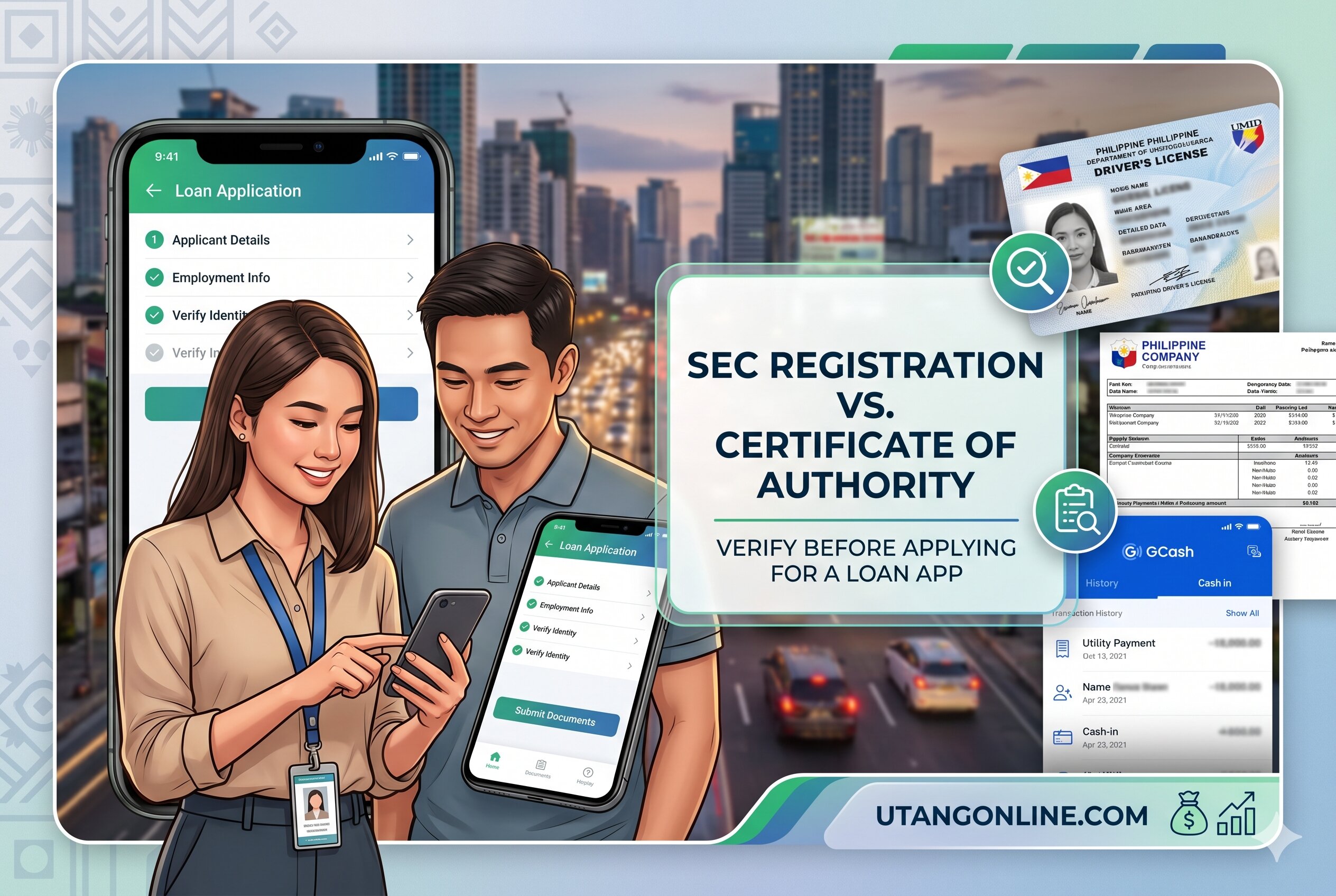
Online lending apps in the Philippines frequently advertise phrases like “SEC Registered” to appear legitimate. However, many borrowers mistakenly assume that Securities and Exchange Commission registration automatically means a company is legally authorized to lend money. That is not always true.
A company may be registered as a corporation with the Philippine government yet still lack the proper lending authority required to operate a lending or financing business. This legal distinction has become increasingly important as digital lending apps, fintech platforms, and mobile cash loan providers continue expanding across the country.
Summary:
The phrase “SEC registered” does not automatically mean a loan app is legally allowed to issue loans in the Philippines. Under Philippine regulations, a company must first complete corporate registration with the Securities and Exchange Commission and then secure a separate Certificate of Authority before operating as a lending corporation or financing company. Many questionable apps misuse SEC registration numbers in marketing even when they lack lending authorization. Borrowers should verify both the company registration and the lending license status, especially before submitting IDs, selfies, payroll details, e-wallet accounts, or bank information through a mobile lending app.
Why Many Borrowers Get Confused About “SEC Registered” Claims 📱
The confusion usually begins with advertising language.
Many online loan apps display statements such as:
- “100% SEC Registered”
- “Licensed by SEC”
- “Approved lending platform”
- “Legitimate financing company”
To an average borrower, these phrases may sound identical. Legally, they are not.
A corporation can be officially registered with the Philippine corporate registration system while still lacking authorization to conduct lending operations. In practice, this means the company legally exists as a business entity but may not legally issue loans to the public.
This distinction matters because some apps intentionally emphasize their SEC registration number while avoiding mention of whether they actually possess a valid Certificate of Authority.
For borrowers searching for reliable SEC registered loan apps Philippines resources, this difference is one of the most important legal checks before applying.
The Core Difference Between SEC Registration and Lending Authority
What SEC Registration Actually Means
SEC registration simply means a company has been incorporated and recognized as a legal business entity in the Philippines.
The registration process typically involves:
- Submission of Articles of Incorporation
- Corporate name verification
- Disclosure of incorporators and directors
- Business purpose declaration
- Capitalization requirements
- Corporate tax and governance documentation
Once approved, the company receives SEC registration documents and a company registration number.
This process does not automatically authorize lending activities.
A corporation may be registered for:
- Retail operations
- Marketing services
- Technology development
- Consultancy
- Logistics
- Real estate
- Software development
Or other unrelated business activities.
Simply being registered does not mean the company can legally collect interest, process digital loans, or operate a financing platform.
What a Certificate of Authority Means
A Certificate of Authority is a separate authorization issued to qualified lending corporations or financing companies.
This certificate allows the company to legally engage in:
- Lending activities
- Financing services
- Credit operations
- Consumer loan issuance
- Interest-based lending
- Collection activities under regulated structures
Without this authorization, a company may be prohibited from legally operating as a lender even if it possesses SEC registration papers.
This is the heart of the issue behind the keyword phrase “difference between SEC registration and lending authority.”
Quick Comparison Table ⚖️
| Category | SEC Registration | Certificate of Authority |
|---|---|---|
| Purpose | Creates a legal corporation | Allows legal lending operations |
| Issued By | SEC | SEC |
| Required For | All corporations | Lending and financing businesses |
| Allows Lending? | No | Yes |
| Used By Loan Apps | Frequently advertised | Sometimes omitted in ads |
| Borrower Importance | Basic legitimacy check | Critical compliance verification |
| Can Fake Apps Misuse It? | Yes | Harder but still possible |
Why Some Apps Advertise SEC Registration Without Lending Authority
Marketing Psychology Behind the Claim
Borrowers naturally associate government registration with legitimacy.
Some loan apps exploit this by prominently displaying:
- SEC registration certificates
- Corporate registration numbers
- Incorporation dates
- Generic compliance statements
But they avoid clearly stating whether they possess lending authorization.
This marketing strategy creates a false impression of regulatory approval.
For inexperienced borrowers, especially first-time digital loan applicants, the distinction may not be obvious.
Regulatory Gray Areas in Digital Lending
The Philippine fintech ecosystem has expanded rapidly in recent years.
Mobile-first lending platforms now rely heavily on:
- E-wallet disbursement
- Digital KYC verification
- AI-assisted risk scoring
- Smartphone behavioral analysis
- Payroll-linked underwriting
- Device fingerprinting
- Remote onboarding systems
As competition intensified, some operators entered the market before securing full lending authority.
Others operated through complex corporate structures where:
- The app brand differs from the legal corporation
- Marketing entities differ from licensed entities
- Collection agencies differ from loan issuers
This can confuse borrowers attempting to verify legitimacy.
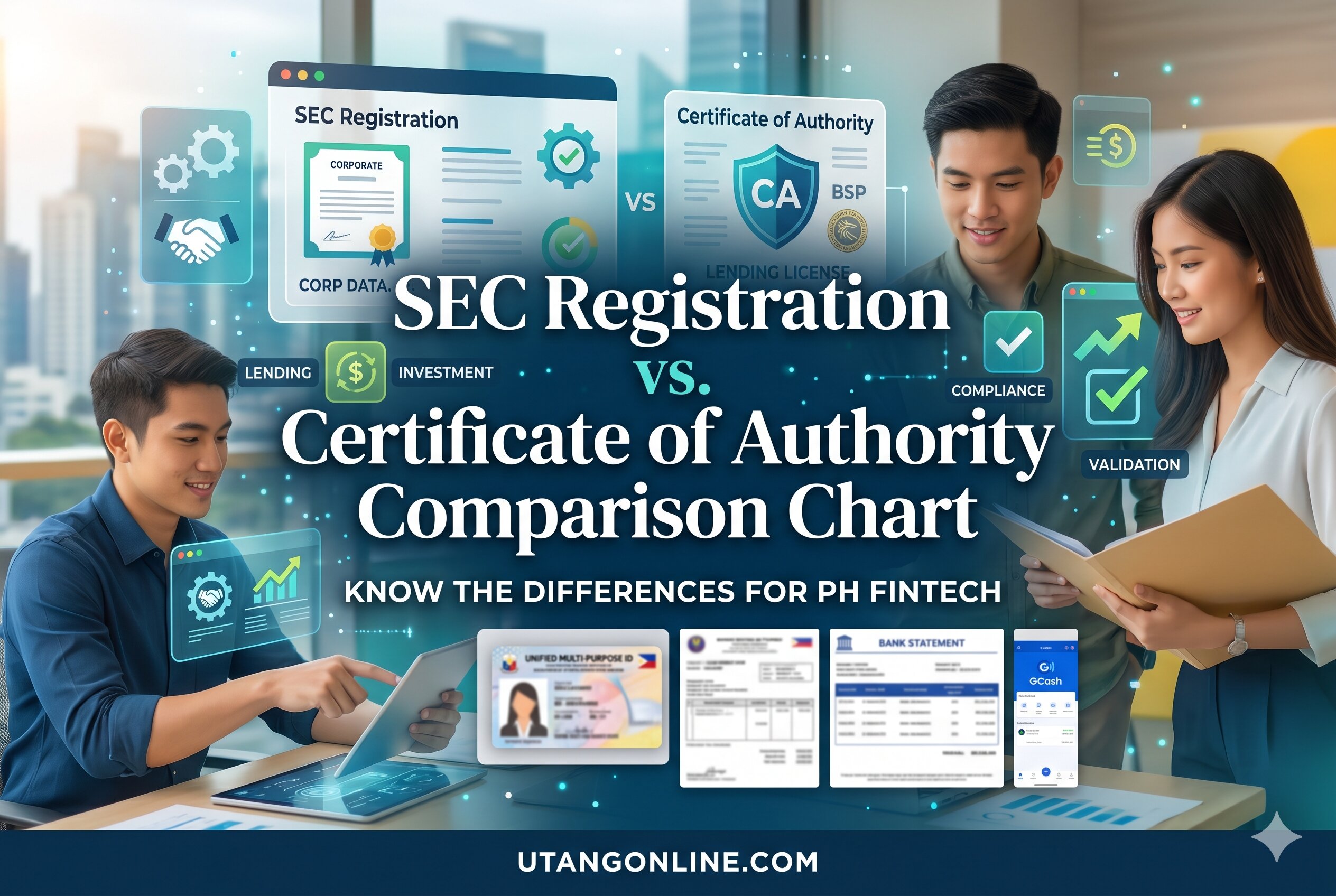
SEC Registration vs Certificate of Authority Comparison Chart
(Comparison between SEC registration and Certificate of Authority for Philippine loan apps)
Does SEC Registration Mean the App Is Legal to Lend Money?
No.
This is one of the most misunderstood legal concepts in Philippine digital lending.
An app may be:
- SEC registered as a corporation
- Operational as a mobile app
- Visible on app stores
- Running advertisements online
Yet still lack proper lending authorization.
Borrowers should verify whether the company holds:
- A valid Certificate of Authority
- Lending company status
- Financing company authorization
- Active regulatory standing
This is particularly important because illegal or non-compliant apps may still collect:
- Valid government IDs
- Selfie verification images
- Contact lists
- Employment data
- E-wallet details
- Banking information
Even before loan approval.
What Is a Certificate of Authority?
Legal Purpose of the Certificate
The Certificate of Authority is the legal permission allowing a company to engage in financing or lending operations.
The SEC issues this certificate to qualified entities that satisfy regulatory requirements under Philippine lending and financing laws.
This includes compliance areas such as:
- Capital requirements
- Corporate disclosures
- Operational transparency
- Interest disclosure standards
- Consumer protection obligations
- Reporting requirements
- Responsible lending expectations
Without this certificate, a company may not legally conduct lending operations even if incorporated.
Lending Companies vs Financing Companies
The SEC generally distinguishes between:
Lending Companies
These companies usually provide:
- Short-term cash loans
- Salary loans
- Personal loans
- Installment lending
- Small-ticket consumer credit
Many online loan apps fall under this category.
Financing Companies
Financing companies often handle:
- Asset financing
- Vehicle financing
- Equipment financing
- Receivable financing
- Larger structured lending arrangements
Some fintech apps operate under financing company structures instead of traditional lending company frameworks.
Can an App Operate Without Lending Authority?
Technically, it should not legally operate as a lender without proper authorization.
However, enforcement actions show that some apps attempt to continue operations through:
- Rebranding
- New app names
- Affiliate structures
- Offshore ownership arrangements
- Partner entities
- Unclear corporate relationships
This is one reason borrowers researching apps abusing SEC registration claims often encounter confusing or inconsistent information.
The SEC has periodically issued advisories and enforcement notices against unauthorized operators and abusive collection practices.
Why Fake or Questionable Apps Display SEC Numbers 🚨
Borrowers Often Stop at the First Verification Step
A common borrower behavior looks like this:
- User sees “SEC Registered”
- User searches the SEC database
- Company name appears
- User assumes the app is legal
- Loan application proceeds
The problem is that the borrower may only be verifying corporate existence – not lending authorization.
Some Apps Use Misleading Compliance Language
Questionable operators sometimes use phrases like:
- “SEC certified”
- “Government verified”
- “Registered financial company”
- “Authorized corporation”
These phrases may sound official but avoid directly confirming lending authority.
Some apps also display outdated SEC numbers or certificates belonging to unrelated entities.
This is why proper borrower verification requires more than a simple name search.
How to Verify Lender Legality in the Philippines ✔️
Step 1: Verify Corporate Registration
Check whether the company exists in SEC records.
You should confirm:
- Corporate name
- Registration number
- Company status
- Business type
This only confirms that the entity exists legally.
Step 2: Verify Lending or Financing Authority
Next, verify whether the company possesses:
- Certificate of Authority
- Lending company authorization
- Financing company authorization
This is the critical legal check.
Borrowers searching for how to verify lender legality should prioritize this second step.
Step 3: Review Public Advisories
Borrowers should also review:
- SEC advisories
- Enforcement notices
- Consumer warnings
- Collection abuse complaints
- App store complaint patterns
Repeated reports involving harassment, unauthorized contact access, or illegal collection practices may indicate compliance problems.
Step 4: Evaluate App Transparency
Legitimate lending apps usually disclose:
- Legal entity name
- SEC authorization details
- Interest computation
- Fees and penalties
- Data privacy policies
- Customer support channels
Apps hiding corporate details or avoiding disclosure language deserve additional caution.
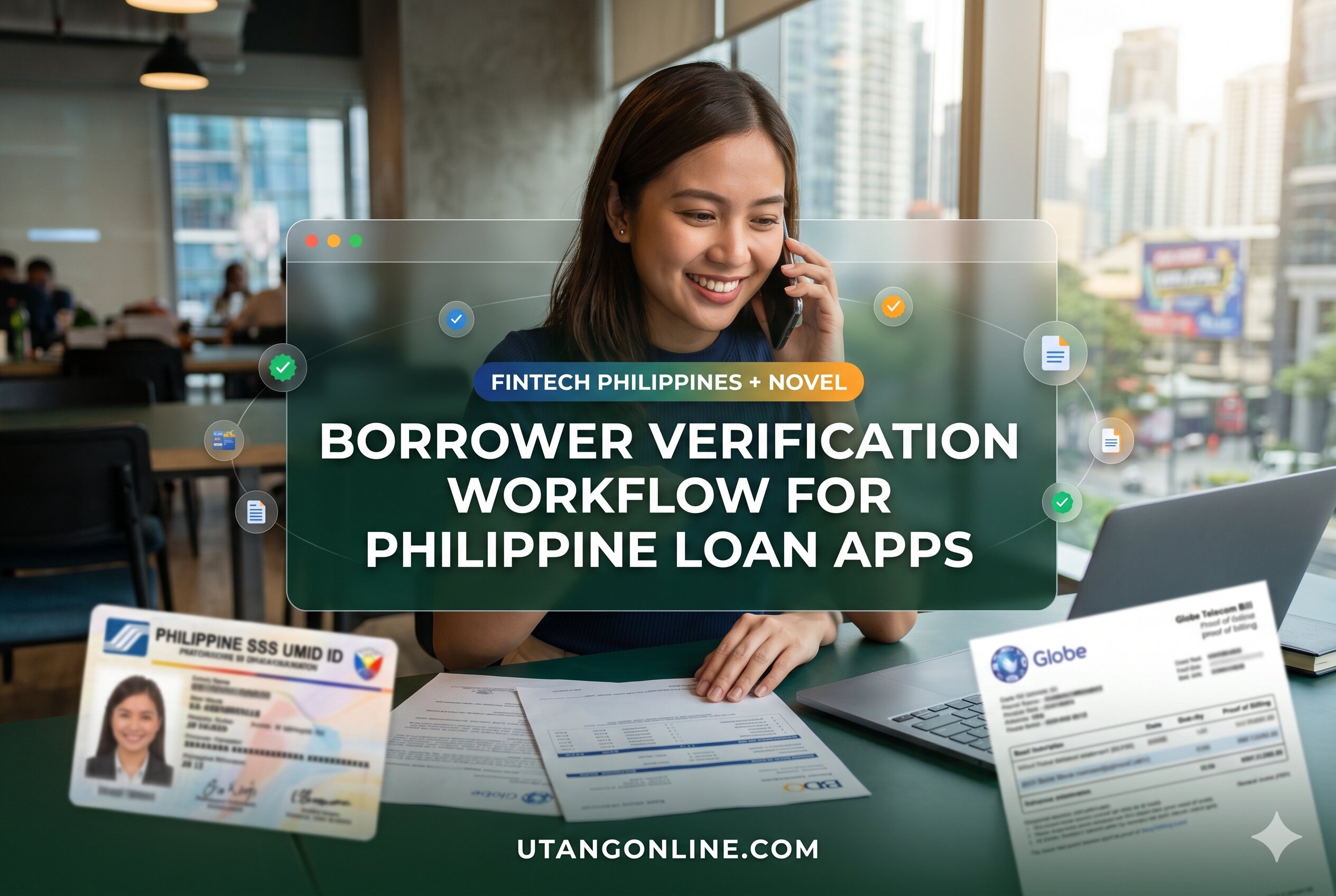
Borrower Verification Workflow for Philippine Loan Apps
Step-by-step borrower verification process for checking loan app legality in the Philippines
What Legitimate Loan Apps Usually Disclose
While compliance structures differ, regulated lenders generally provide clearer transparency around:
Legal Identity
A compliant lender typically identifies:
- Registered corporate entity
- SEC registration details
- Certificate of Authority status
- Business address
- Customer support information
Borrower Terms and Disclosures
Legitimate lenders usually provide:
- Loan amount ranges
- Repayment schedules
- Annualized cost disclosures
- Late fee explanations
- Data privacy disclosures
Transparent disclosure behavior is often a stronger trust signal than marketing slogans.
Responsible KYC and Risk Assessment
Most regulated lenders now use digital onboarding systems involving:
- Valid government ID checks
- Facial verification
- Mobile number verification
- E-wallet validation
- Employment assessment
- Income consistency review
For employed borrowers, payroll stability often matters.
For freelancers, gig workers, and self-employed applicants, lenders may examine:
- E-wallet transaction patterns
- Bank inflows
- Online selling history
- Platform income consistency
- Utility payment behavior
These operational practices align more closely with modern Philippine fintech risk assessment models.
Real Borrower Problems Caused by Regulatory Confusion
Borrower Verified SEC Registration but Still Got Scammed
This happens more often than many people realize.
A borrower checks the SEC database, sees a matching corporation name, and assumes the app is fully authorized.
Later, the borrower encounters:
- Hidden fees
- Aggressive collection tactics
- Unauthorized contact messaging
- Excessive interest charges
- Data privacy concerns
The issue was not corporate existence – it was lack of verified lending authority.
App Claimed “SEC Registered” but Was Not Authorized to Lend
Some borrowers only discover the problem after:
- Loan approval
- Collection harassment
- Payment disputes
- Data misuse concerns
At that stage, recovering funds or protecting personal data becomes significantly harder.
This explains why borrower education around the “SEC registration vs certificate of authority loan apps Philippines” topic has become increasingly important.
Red Flags Borrowers Should Never Ignore 🚩
Vague Legal Language
Be cautious if an app:
- Avoids naming the legal entity
- Displays only a registration number
- Uses unclear compliance statements
- Refuses to disclose lending authority
Excessive Permission Requests
Some questionable apps aggressively request:
- Full contact list access
- SMS permissions
- Photo gallery access
- Device administrator control
Modern fintech underwriting may use device intelligence and fraud prevention tools, but excessive permission requests should still be evaluated carefully.
Unrealistic Loan Promises
Warning signs include:
- Guaranteed approval
- No verification whatsoever
- Extremely high loan limits for first-time borrowers
- Instant approval without risk assessment
Legitimate lenders normally evaluate repayment capacity before disbursement.
How Philippine Digital Lending Regulation Has Evolved
The Philippine online lending ecosystem changed rapidly after mobile-first financial services expanded nationwide.
Growth drivers included:
- Smartphone adoption
- E-wallet expansion
- Remote identity verification
- Digital banking growth
- QR payment ecosystems
- Gig economy income structures
As the market grew, regulators increased focus on:
- Consumer protection
- Ethical collections
- Data privacy
- Lending disclosures
- Licensing enforcement
- Digital compliance monitoring
This evolution is why regulatory distinctions now matter far more than simple corporate registration claims.
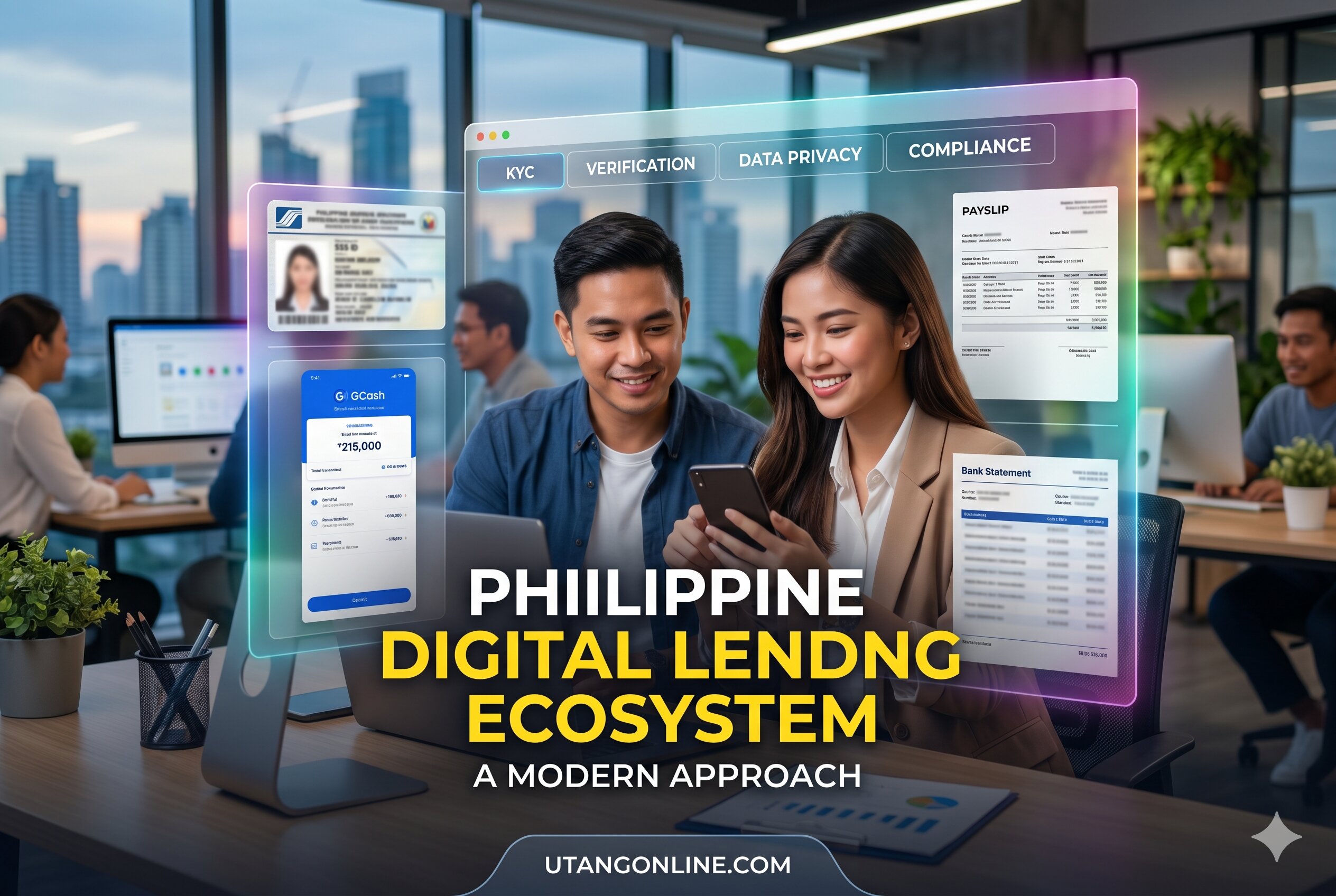
Philippine Digital Lending Compliance Ecosystem
Philippine fintech compliance ecosystem showing SEC registration and lending authorization workflow
Frequently Asked Questions
Does SEC registration mean the app is legal to lend money?
No. SEC registration only confirms that the company legally exists as a corporation. A separate Certificate of Authority is generally required before a company can legally operate as a lending or financing business.
What is a Certificate of Authority?
It is an authorization issued by the SEC allowing a company to engage in lending or financing activities under Philippine regulations.
Can an app operate without lending authority?
A company should not legally operate as a lender without proper authorization. However, some apps attempt to operate using misleading marketing, affiliate structures, or incomplete disclosures.
Why do fake apps display SEC numbers?
Because borrowers often associate SEC registration with full legitimacy. Some apps use corporate registration details to create trust even when they lack lending authorization.
What should borrowers verify before applying?
Borrowers should verify:
- Corporate registration
- Certificate of Authority
- Public advisories
- Legal entity disclosures
- Data privacy transparency
- Customer support legitimacy
The Bigger Issue: Trust vs Compliance
One of the biggest misconceptions in Philippine fintech is assuming that visibility equals legitimacy.
An app may have:
- Thousands of downloads
- Paid advertisements
- Social media promotions
- App store visibility
- SEC registration documents
Yet still fail critical compliance checks.
True borrower protection comes from verifying whether the company legally holds lending authority – not simply whether it exists as a corporation.
This distinction becomes especially important when borrowers submit sensitive personal data through fully digital onboarding systems.
Conclusion
The difference between SEC registration and a Certificate of Authority is one of the most important legal distinctions borrowers should understand before using any online lending app in the Philippines.
SEC registration only confirms that a corporation legally exists. It does not automatically authorize lending operations. A company still needs proper lending or financing authority before legally issuing loans to the public.
As digital lending continues expanding through mobile apps, e-wallet ecosystems, and remote onboarding systems, borrowers should avoid relying solely on marketing claims such as “SEC Registered.” Proper verification requires checking both corporate registration and lending authorization status.
Responsible borrowing begins with careful verification, realistic expectations, and protection of personal financial data. Before uploading IDs, payroll records, selfies, or banking details, borrowers should confirm that the lender operates with proper legal authority and transparent compliance practices.
Last Updated on May 18, 2026 by Michael Reyes
